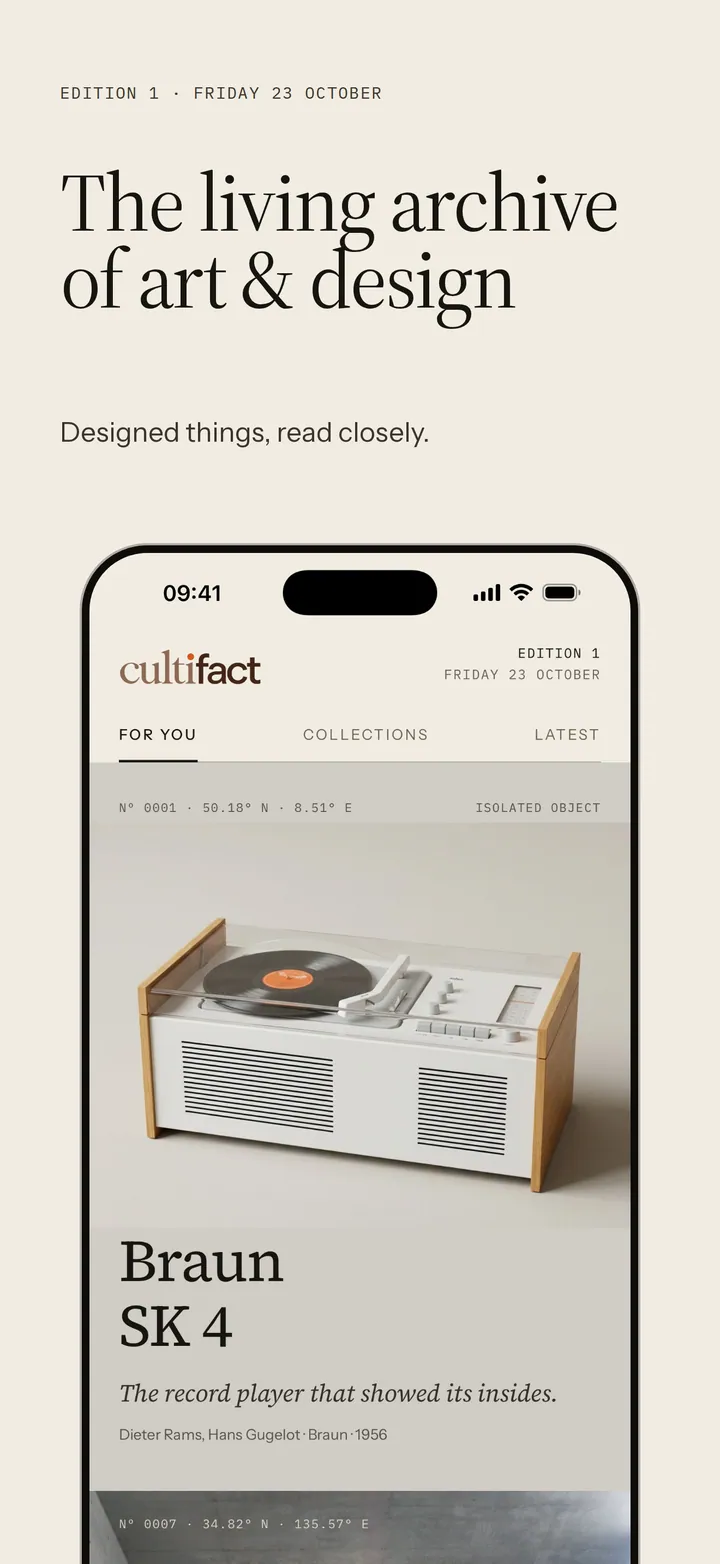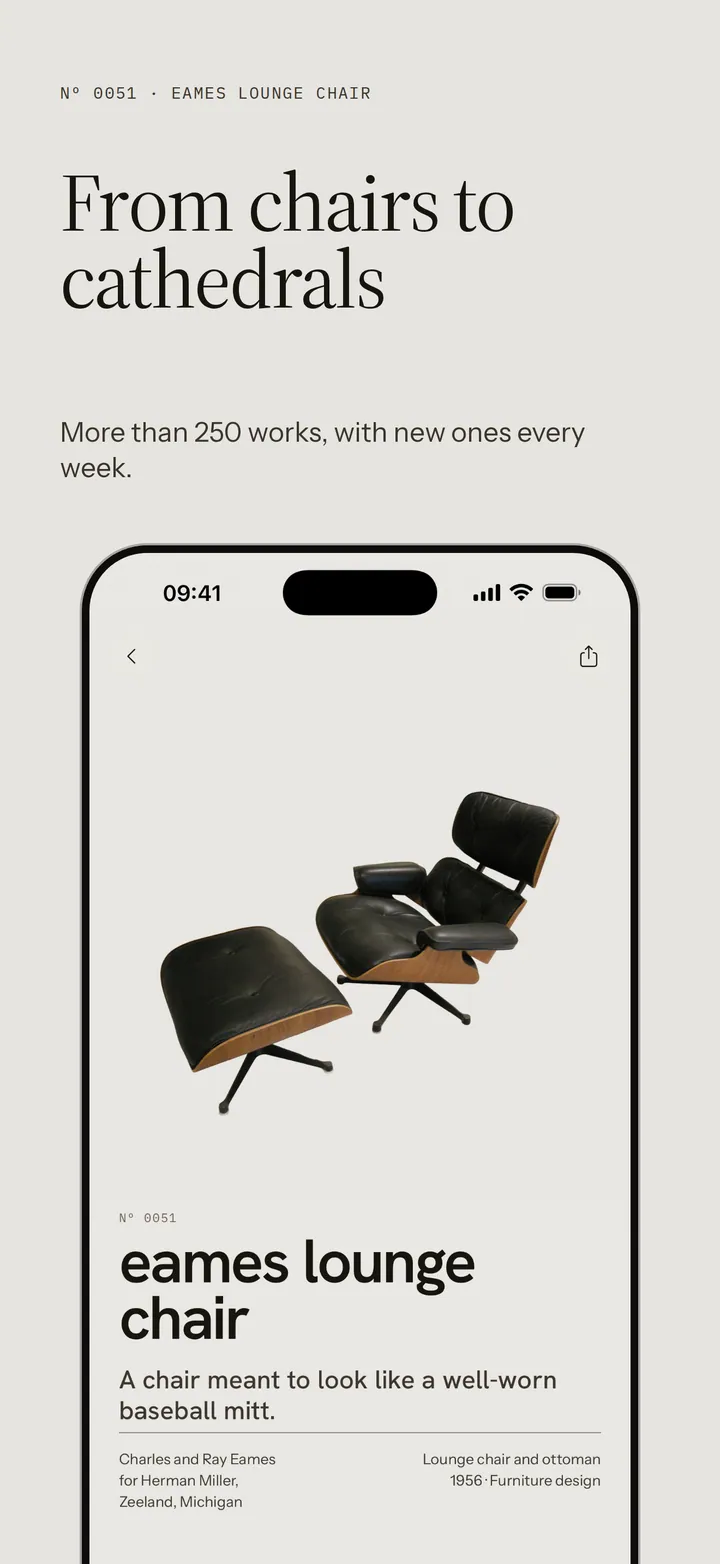
Nº 0095 · Double-deck bus
AEC Routemaster
An aluminium bus built with aircraft methods.
Why it matters
London Transport’s engineers gave the bus an aluminium body with no separate chassis, using methods from wartime aircraft production, so it seated 64 against the 56 of the RT it replaced and weighed less. It stayed in regular London service for about 50 years, until December 2005.
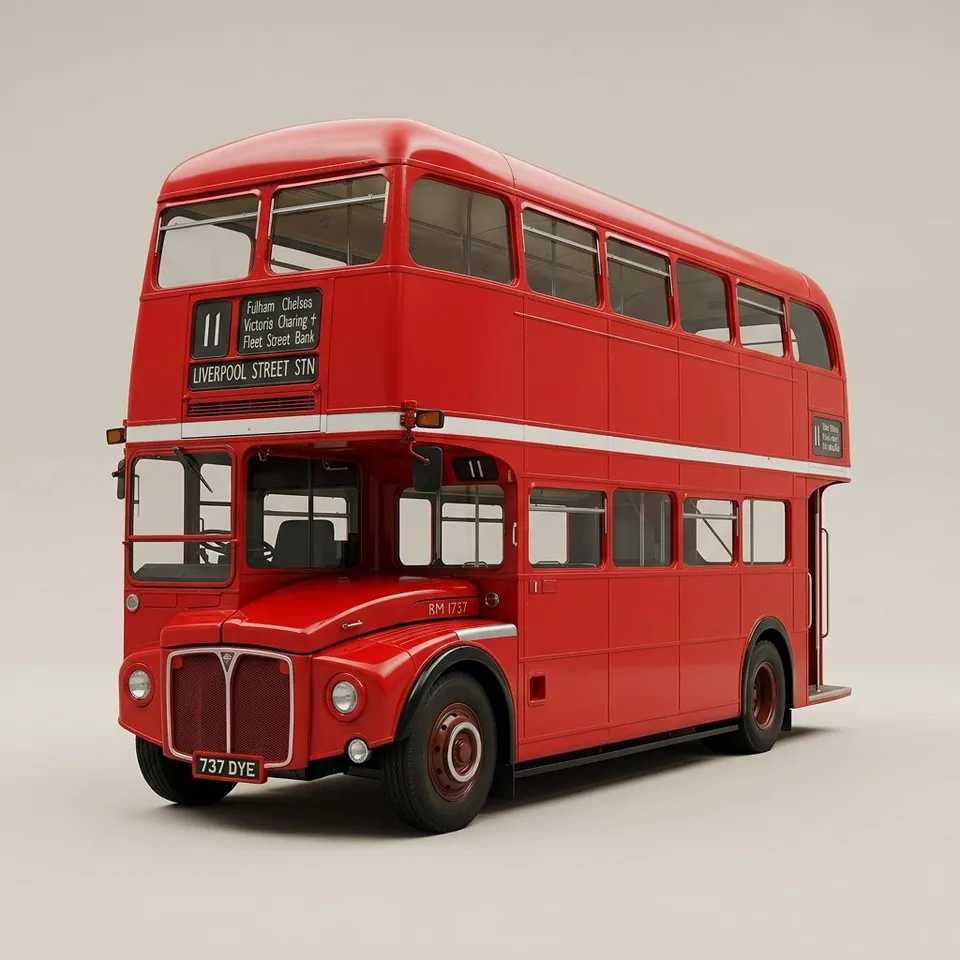
A team directed by A. A. M. Durrant and Colin Curtis developed it from 1947, with styling by Douglas Scott. The prototype RM1 was shown at the Commercial Motor Show at Earl’s Court in September 1954 and carried passengers from 1956. AEC built the mechanical parts and Park Royal Vehicles the bodies, and 2,876 were made by 1968. The bus in this photograph is RM1737 of 1963 at the London Transport Museum, Covent Garden; the prototype RM1 is kept at the museum’s depot in Acton.
What to notice
- The half-cabA half-cab: the driver sits in a separate cab beside the bonnet.
- The fleet numberRM 1737: RM is the type code of the Routemaster.
- The radiator grilleThe radiator grille sits between the headlamps, with a round badge on the bonnet above it.
3 min read
The full story
A brief from 1947
London Transport began planning the bus in 1947, while its RT type was still being delivered. The brief asked for a lighter vehicle that used less fuel, was easier to drive and suited the overhaul methods of the new Aldenham Works. The work was led from Chiswick by A. A. M. Durrant, London Transport’s chief bus engineer from 1933 to 1965, with Colin Curtis. The industrial designer Douglas Scott was brought in for the styling.
In this story
- A brief from 1947
- Two subframes, no chassis
- After the trolleybuses
- Step-free London

The story continues in the app
- Seats
- 64
- Dimensions
- 8.38 m long, 4.38 m high (standard RM)
- Body
- Aluminium, no separate chassis
- Built
- 2,876, 1954 to 1968
- In collection
- London Transport Museum (RM1, RM1737)
Connections
- A. A. M. Durrant
- Colin Curtis
- Douglas Scott
- London Transport
- AEC
- Park Royal Vehicles
- Postwar era
- Automotive design
- Aluminium
- London
Nearby in the archive
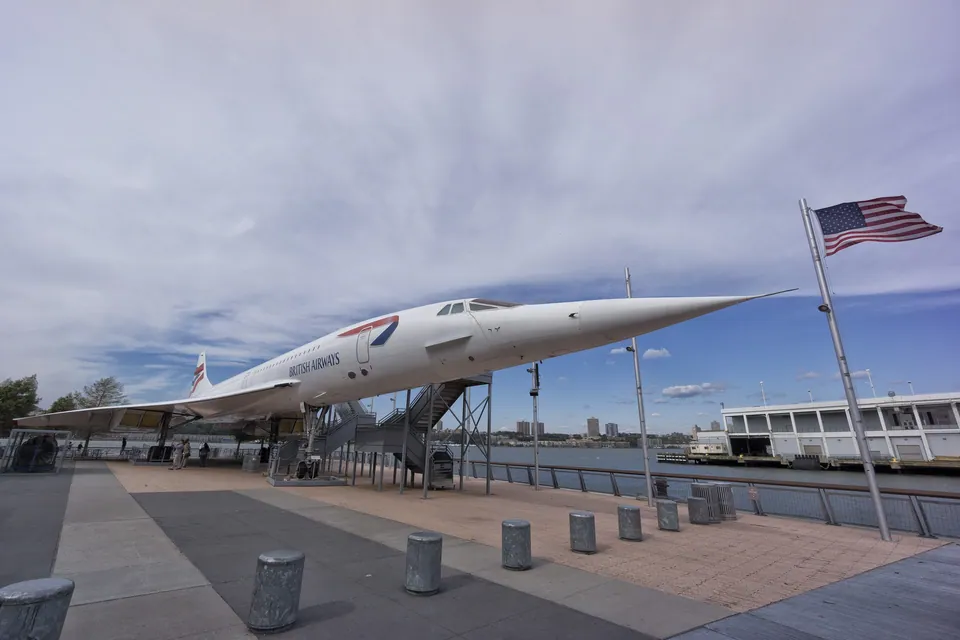 ConcordeSud Aviation and BAC · 1969 · aluminium airframes, the source of its methods
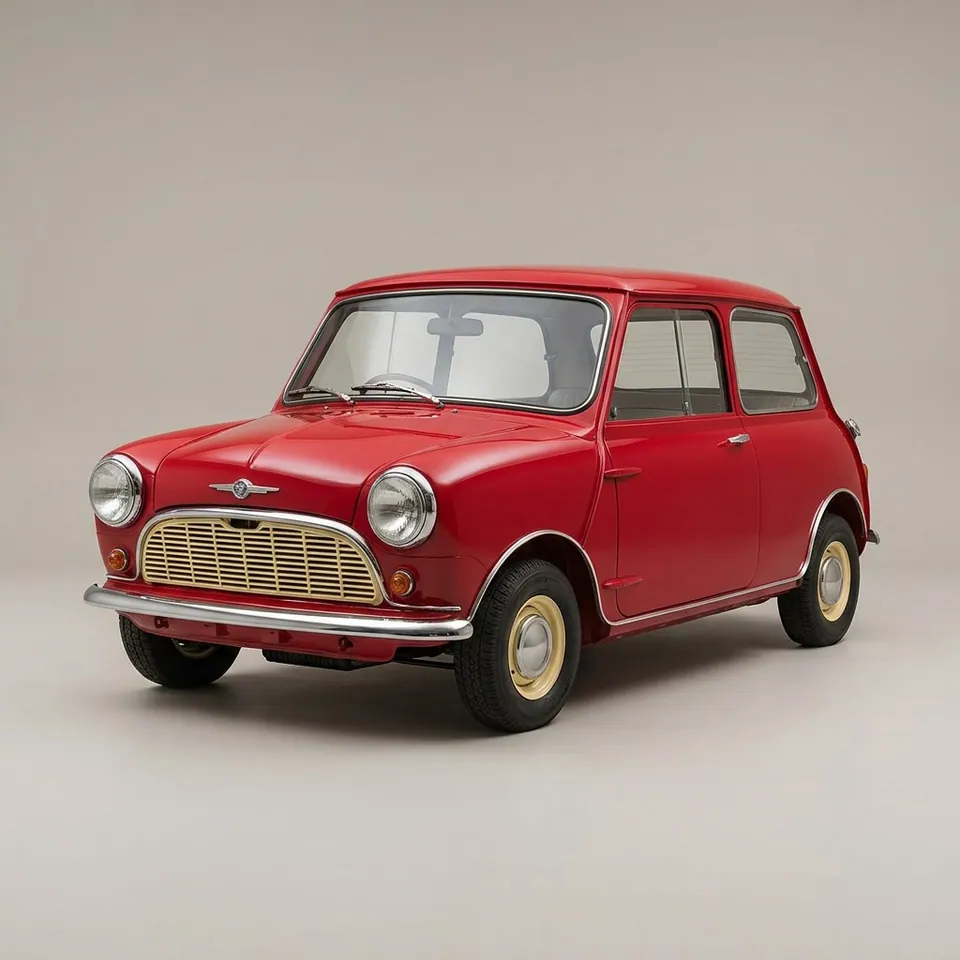 MiniIssigonis · 1959 · another British vehicle planned around its passengers
In collections
Go further
- The Bus We Loved: London’s Affair with the Routemaster, Travis Elborough (2005)A history of the bus from its invention to its withdrawal, with the crews who worked it and the enthusiasts who followed it.
- Routemaster, Ken Blacker (1991)The detailed engineering and fleet history from Capital Transport, the specialist London bus publisher.
- Diary: Goodbye to the Routemaster, Andrew Saint, London Review of Books (2006)An architectural historian’s account of the last day on route 159, with a sharp summary of how the bus was designed.
- Testing of Prototype Routemaster Bus, London Transport Museum, via London’s Screen ArchivesFive minutes of silent colour film showing the prototype on a test circuit before it entered service.
- Prototype RM-type double deck motor bus, fleet No RM1, London Transport MuseumThe museum record for the first prototype, with photographs and its history of ownership.
Sources
- Prototype RM-type double deck motor bus fleet No RM1, registration number SLT56, 1954, 1989/119, London Transport Museum
- The Routemaster: A design icon, London Transport Museum
- Celebrating 70 years of the Routemaster, London Transport Museum Friends
- Wikipedia (English), Wikimedia Foundation