Nº 0114 · High-speed train
Shinkansen 0 Series
The first train built for 210 km/h service.
Why it matters
It ran the Tokaido Shinkansen from its opening in 1964, which ASME calls the world’s first high-speed railway system. By 1992, ASME says, the line carried more than 600,000 passengers a day, about four times as many as flew on comparable routes.
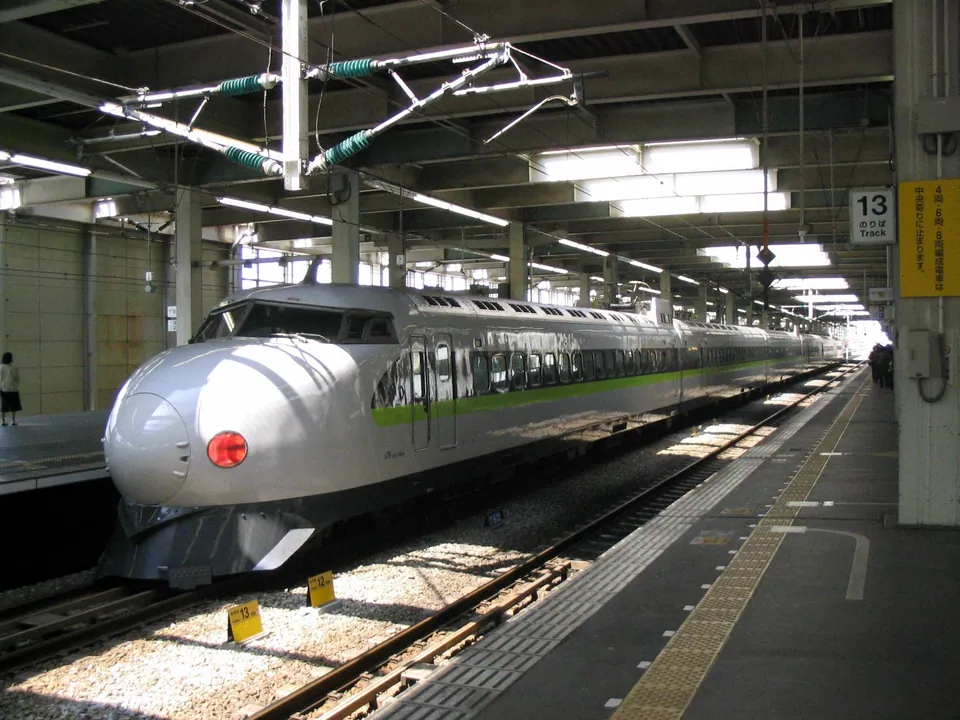
The 0 Series entered service on 1 October 1964 on the new line between Tokyo and Shin-Osaka, 515 km, which it covered in four hours at opening. Japanese National Railways developed it with Hideo Shima as chief engineer; its nose is reported to follow the profile of the DC-8 airliner. Every axle carried a motor, and the cars were about 400 mm wider than conventional Japanese stock. Car 22-141, photographed at the National Railway Museum in York, was built in 1976 and retired in 2000 after more than 10 million km.
What to notice
- The noseA rounded nose, with a round lamp set into its side.
- The blue bandA blue band runs along the windows of the white body.
- The seatsInside, seats in rows of two and three, either side of the aisle.
3 min read
The full story
A second line to Osaka
By the middle of the 1950s the Tokaido Main Line between Tokyo and Osaka was full. It ran on the 1,067 mm narrow gauge used across Japan, and electrification in 1956 did not relieve it. A standard-gauge line along the same corridor had been planned in the late 1930s and was already called shinkansen, “new trunk line”. That scheme was abandoned in 1943, leaving land bought for the route and a few partly built tunnels.
In this story
- A second line to Osaka
- Six prototypes at Kamonomiya
- Nine days before the Games
- Forty-four years in service

The story continues in the app
- Speed
- 210 km/h at launch, 220 km/h from 1986
- Dimensions
- Cars about 25 m long, about 3.4 m wide
- Power
- 25 kV AC overhead, a motor on every axle
- In service
- 1 October 1964 to 14 December 2008
- In collection
- National Railway Museum, York (2001-7500)
Connections
Nearby in the archive
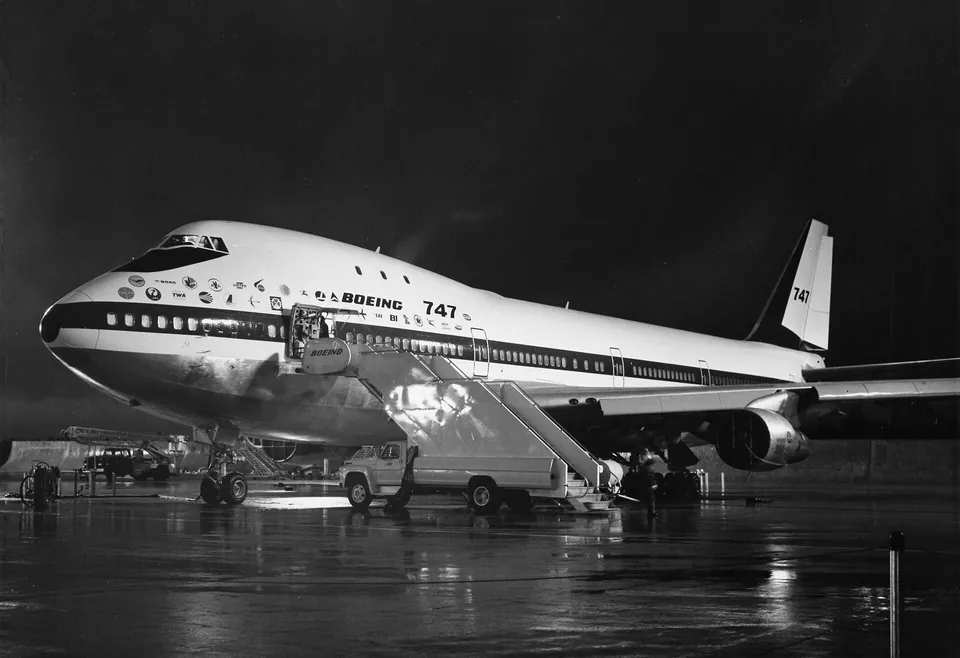 Boeing 747Boeing · 1969 · mass travel by air, five years later
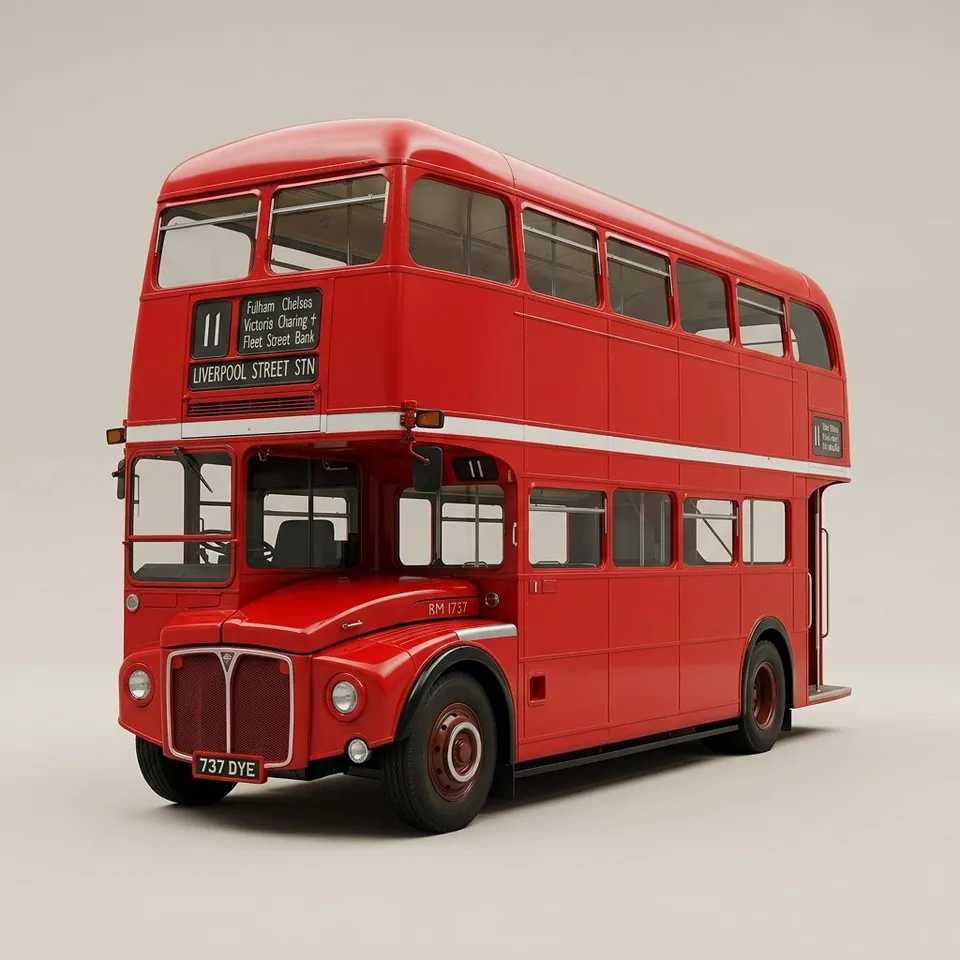 AEC RoutemasterLondon Transport · 1954 · public transport designed by its operator
In collections
Go further
- Shinkansen: From Bullet Train to Symbol of Modern Japan, Christopher P. Hood (2006)A book-length study of how the railway was planned, built and run, and what it came to stand for in Japan.
- West Japan Railways Shinkansen 'Bullet Train', 1976, object 2001-7500, Science Museum GroupThe museum record for car 22-141 in York, with photographs, measurements and its service history.
- Landmark #211 Tokaido Shinkansen, American Society of Mechanical EngineersThe engineering landmark entry, which sets out the gauge, power supply, motors and passenger numbers.
- About the Shinkansen, Central Japan Railway CompanyThe operator’s own current figures for ridership, speed, punctuality and safety on the Tokaido line.
Sources
- West Japan Railways Shinkansen ‘Bullet Train’, 1976, 2001-7500, Science Museum Group
- Landmark #211 Tokaido Shinkansen, ASME
- Tokaido Shinkansen, Invention and Technology
- Hideo Shima, Developer of Japan’s ‘Bullet Train,’ Dies at 96, The Seattle Times
- Wikipedia (English), Wikimedia Foundation

