Nº 0104 · Temple
Parthenon
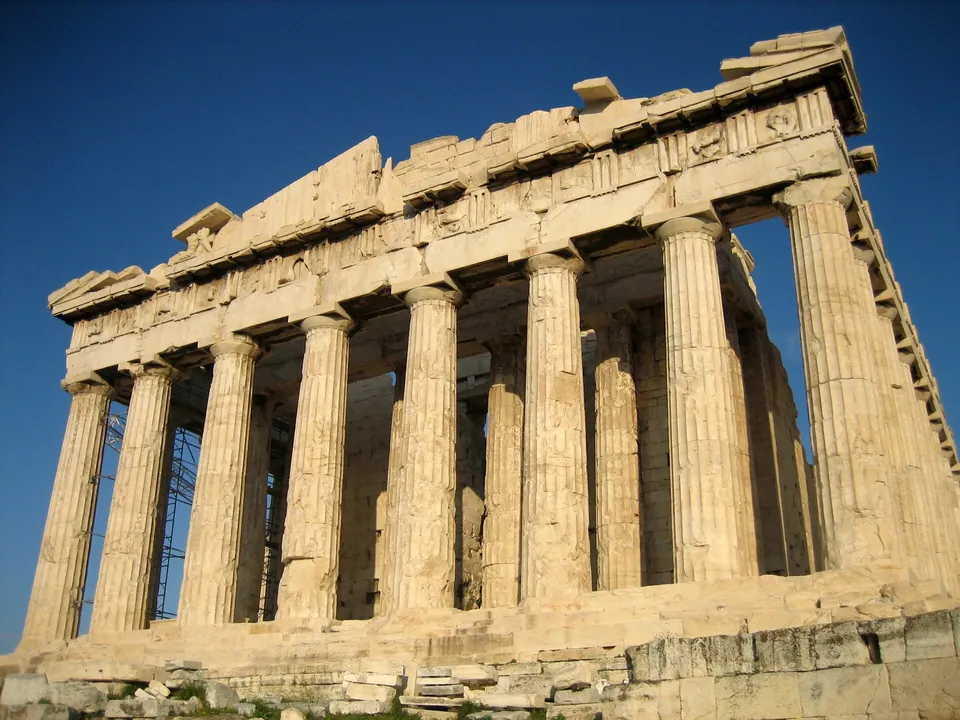
Its floor curves upward; its columns swell slightly.
Why it matters
Iktinos and Kallikrates built a Doric temple of 8 by 17 columns entirely in Pentelic marble, and adjusted it by eye: the base curves upward, the columns swell slightly and the corner columns are thicker. Phidias directed its sculpture, which is now divided between Athens and London.
Work began in 447 BC and the building was finished about fifteen years later, in 432 BC; it housed Phidias’s gold and ivory statue of Athena Parthenos. On 26 September 1687 a Venetian mortar round hit gunpowder stored inside and blew out the centre of the building. Lord Elgin removed sculpture from 1801, and the British Museum bought it in 1816. The Acropolis Museum shows the sculpture kept in Athens beside plaster casts of the pieces abroad, in a gallery set to the temple’s own orientation.
What to notice
- A columnEach fluted column swells slightly along its height, a correction called entasis.
- The west pedimentOnly a few figures remain in the pediment; the rest are in museums.
- The stepsThe stepped base is not flat: it rises slightly towards the middle of each side.
3 min read
The full story
A temple begun twice
Athens first began a large temple on this spot shortly after the battle of Marathon in 490 BC. It was still unfinished when a Persian army sacked the city in 480 BC and burned the Acropolis. Drums from its columns were later built into the citadel’s north wall, where they can still be seen.
In this story
- A temple begun twice
- Eight columns across
- Church, mosque, powder store
- Taken apart to be saved

The story continues in the app
- Materials
- Pentelic marble, roof tiles included
- Dimensions
- About 69.5 × 30.9 m at the top step
- Columns
- 8 at each end, 17 on each side
- Sculpture
- Acropolis Museum, Athens · British Museum, London
- Status
- Real · a ruin under restoration
Connections
- Iktinos
- Kallikrates
- Phidias
- Antiquity
- Architecture
- Marble
- Stone
- Athens
Nearby in the archive
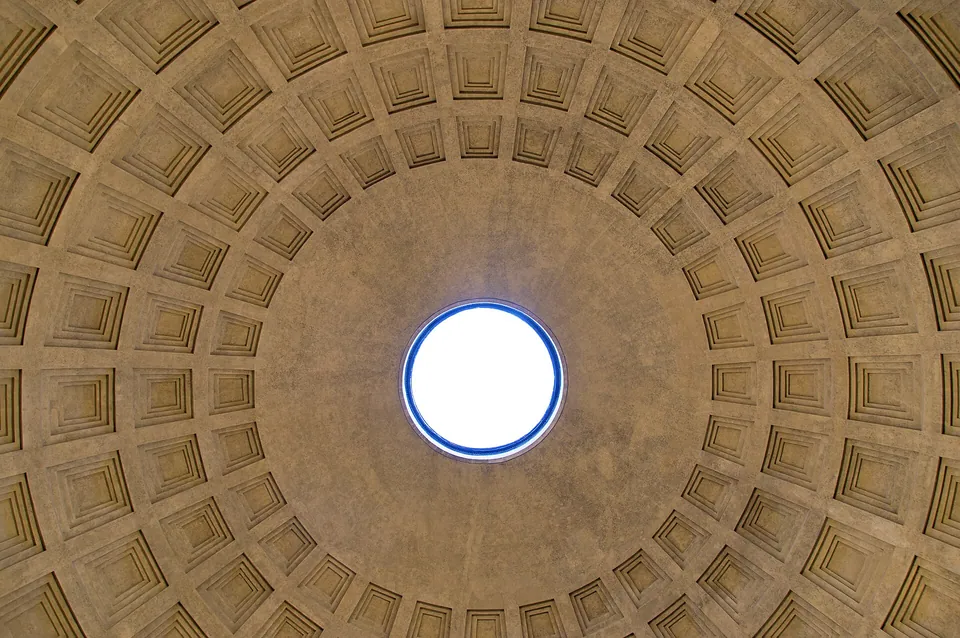 PantheonArchitect unknown · c. 126 · a Roman temple front, in granite
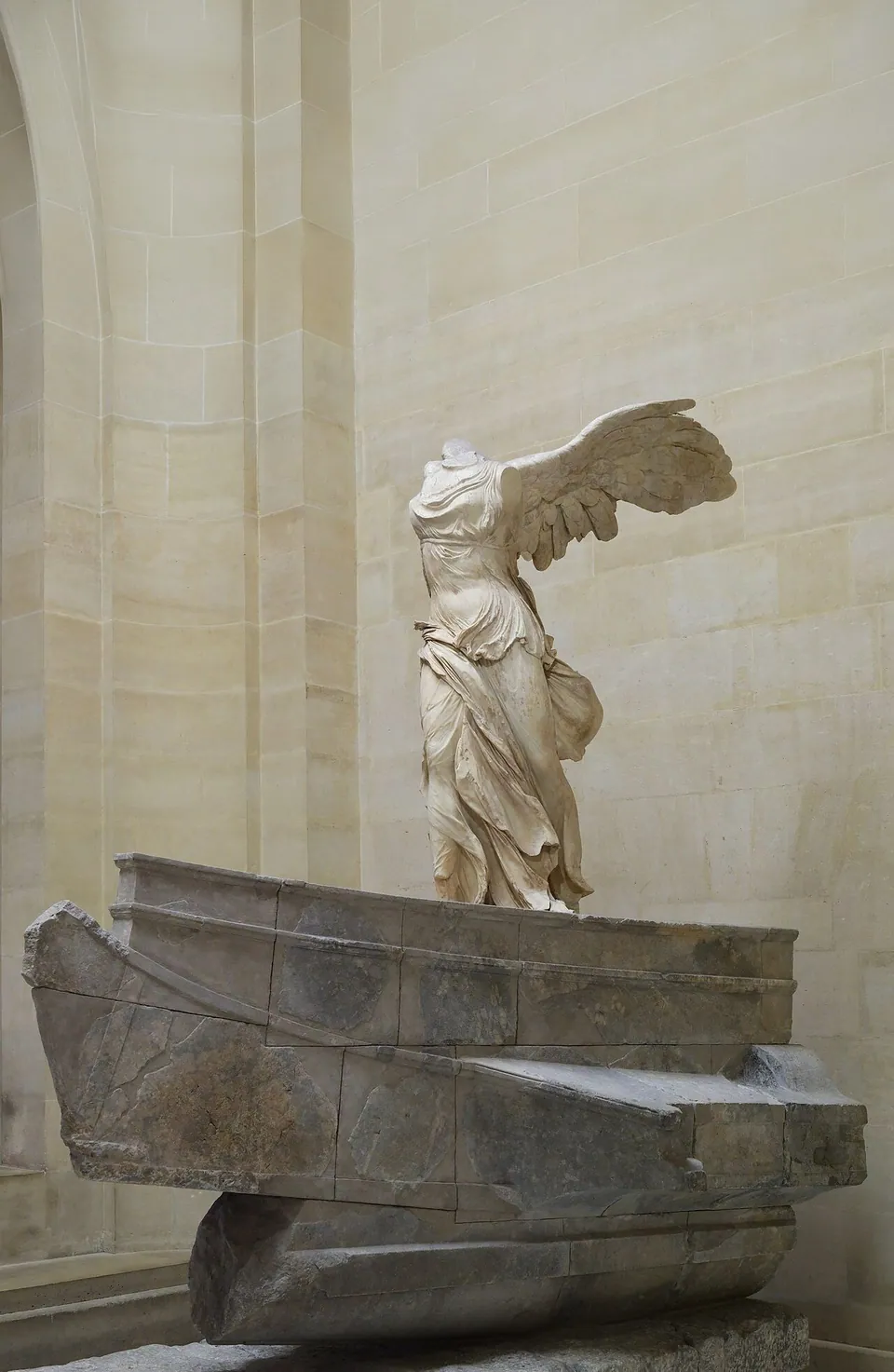 Winged Victory of SamothraceHellenistic · Greek marble made for a sanctuary, now in Paris
In collections
Go further
- The Parthenon, Mary Beard (2002)A short history of the building and of what later centuries made of it, including the dispute over the sculptures.
- From Pentelicon to the Parthenon, Manolis Korres (1995)An architect of the restoration follows the marble from the quarries on Mount Pentelikon to the building site.
- The Parthenon: From Antiquity to the Present, Jenifer Neils (editor) (2005)A scholarly collection of essays on the temple’s architecture, sculpture and later history.
- The Parthenon Gallery, Acropolis MuseumThe museum’s account of the temple’s sculpture and of how the gallery lays it out in the order it had on the building.
- Parthenon, Acropolis Restoration Service (YSMA)The restoration service’s pages on the building, with reports on each finished and continuing programme of work.
Sources
- The Parthenon Gallery, Acropolis Museum
- Parthenon, Encyclopaedia Britannica
- Wikipedia (English), Wikimedia Foundation

