Nº 0254 · Book of hand-coloured plates
The Birds of America
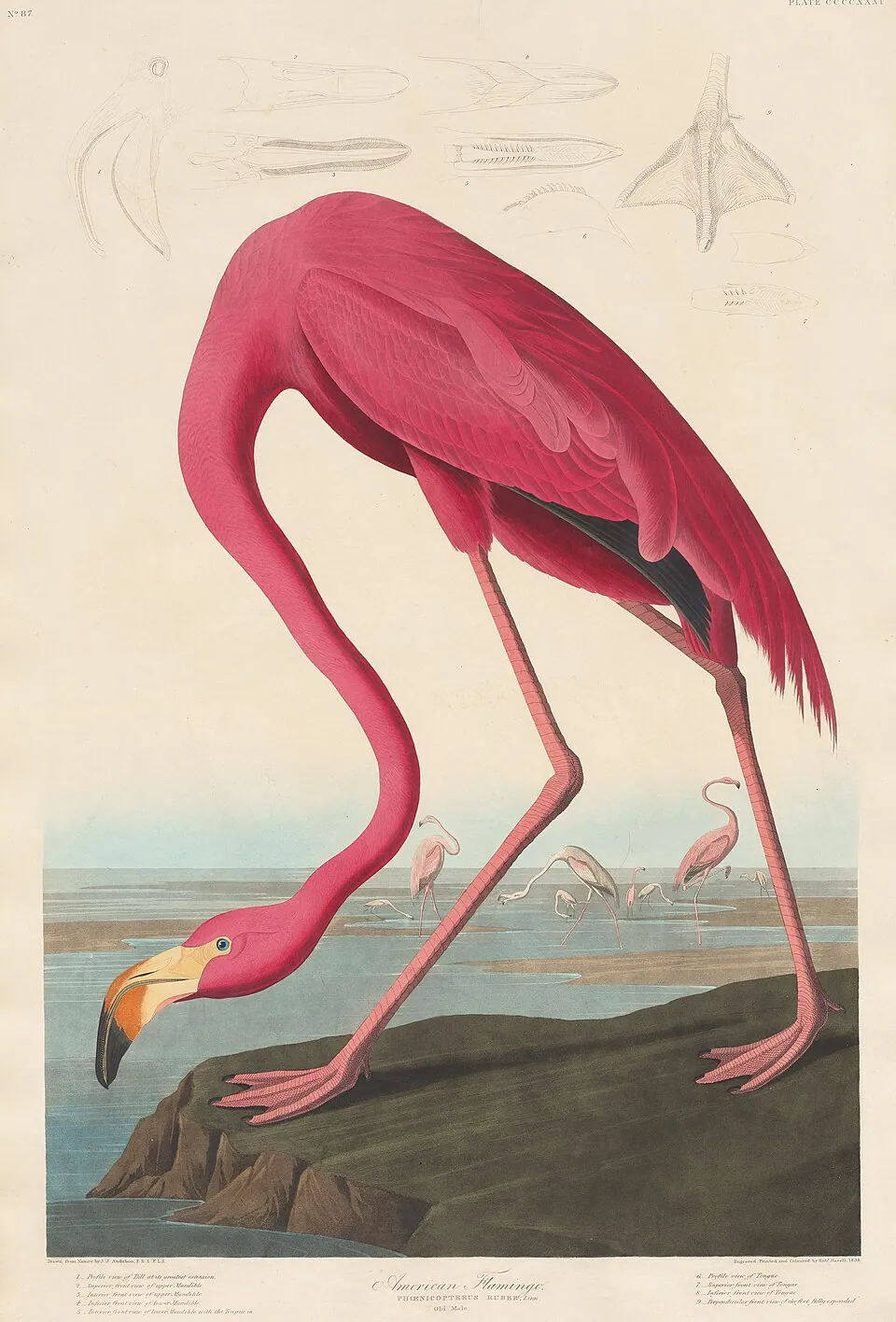
Every bird printed life-size, the flamingo bent to fit.
Why it matters
Audubon drew every bird at life size, and that choice set the size of the sheet, the poses of the tallest birds and the scale of the engraving and colouring work in London. The plates also record species now extinct, among them the Carolina parakeet, the passenger pigeon and the great auk.
Audubon issued the 435 plates by subscription from 1827 to 1838, in 87 numbers of five, and buyers had them bound. William Home Lizars of Edinburgh engraved the first plates; when his colourists went on strike, Robert Havell Jr. of London took over and saw the work through to 1838, in etching, engraving and aquatint on copper, coloured by hand. The American Flamingo shown is plate 431, dated 1838: to fit a life-size bird on a sheet about a metre high, Audubon drew it bending down to feed. About 120 complete sets are known today.
What to notice
- The bent neckThe neck curves down to the ground so that a life-size flamingo fits the sheet.
- The bill and tongueUncoloured drawings of the bill, tongue and foot, numbered and keyed in the caption at the foot of the plate.
- The distanceSmall flamingos wading in the background, printed in paler colour.
- The imprintEngraved, Printed and Coloured by Robt. Havell, 1838.
2 min read
The full story
A portfolio sails for Britain
Around 1820 John James Audubon, then in his mid-thirties, set out to draw every bird in North America. He worked mostly in watercolour and pastel, and since about 1807 he had fixed freshly killed birds in lifelike poses with wires and threads while he drew them. In 1824 he looked for support in Philadelphia and New York.
In this story
- A portfolio sails for Britain
- Aquatint on copper, coloured by hand
- Five prints in a tin case
- Sold for old copper

The story continues in the app
- Materials
- Hand-coloured etching, engraving and aquatint on Whatman wove paper
- Dimensions
- Sheets about 100 × 66 cm (this one 101.3 × 68.3 cm)
- Plates
- 435, issued in 87 numbers of five
- Engravers
- W. H. Lizars, Edinburgh · Robert Havell Jr., London
- In collection
- National Gallery of Art, Washington (1945.8.431) · New-York Historical Society · The Met
Connections
- John James Audubon
- Robert Havell Jr.
- William Home Lizars
- Industrial Revolution
- Book design
- Paper
- London
- Edinburgh
Nearby in the archive
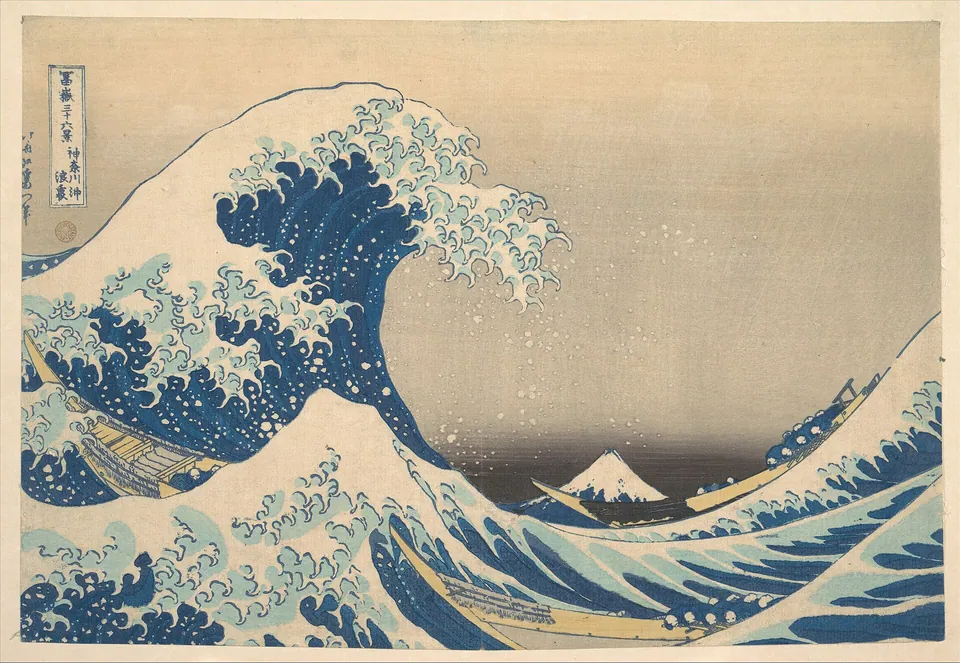 The Great Wave off KanagawaHokusai · c. 1831 · a print series issued in the same years
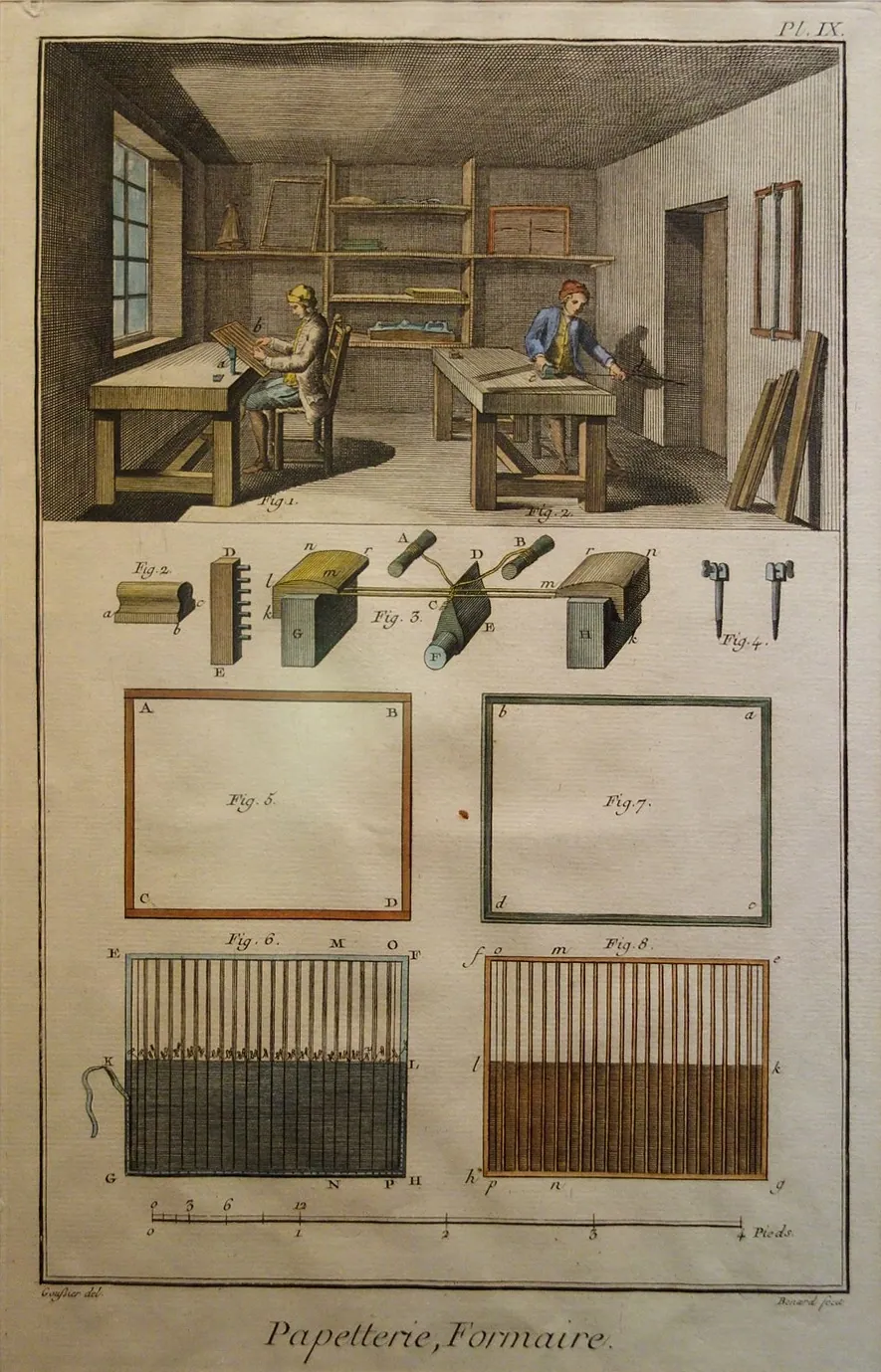 Encyclopédie, plate volumesDiderot and d’Alembert · 1762 to 1772 · engraved plates issued in parts
In collections
Go further
- John James Audubon: The Making of an American, Richard Rhodes (2004)A full biography of Audubon, from his early life to the years of the London plates.
- Audubon's Aviary: The Original Watercolors for The Birds of America, Roberta Olson (2012)The New-York Historical Society's catalogue of the watercolour models from which Havell worked.
- John J. Audubon's Birds of America, National Audubon SocietyAll 435 Havell plates online, each with Audubon's own text on the species.
- Robert Havell, Jr., Linda Hall LibraryA short account of the engraver who cut 425 of the plates and how he came to the job.
- A Matter of Scale: The Flamingo in Audubon's Birds of America, UW-Madison Libraries Special Collections (2014)How the life-size flamingo was fitted to the sheet, compared with the reduced octavo edition.
Sources
- Robert Havell after John James Audubon, American Flamingo, 1838, 1945.8.431, National Gallery of Art, Washington
- Robert Havell after John James Audubon, Carolina Parrot, 1827, 1945.8.26, National Gallery of Art, Washington
- Yellow-billed Magpie, Steller’s Jay, Western Scrub-Jay and Clark’s Nutcracker (with the copper plate), New-York Historical Society
- A Matter of Scale: The Flamingo in Audubon’s Birds of America (2014), University of Wisconsin-Madison Libraries
- Audubon’s Birds of America: American Flamingo, Plate CCCCXXXI, Library of Parliament, Canada
- Rare Book Collection: Birds of America, Cleveland Museum of Natural History
- Wikipedia (English), Wikimedia Foundation

