Nº 0203 · Buddhist temple
Hōryū-ji
Its pagoda’s central pillar was felled in 594.
Why it matters
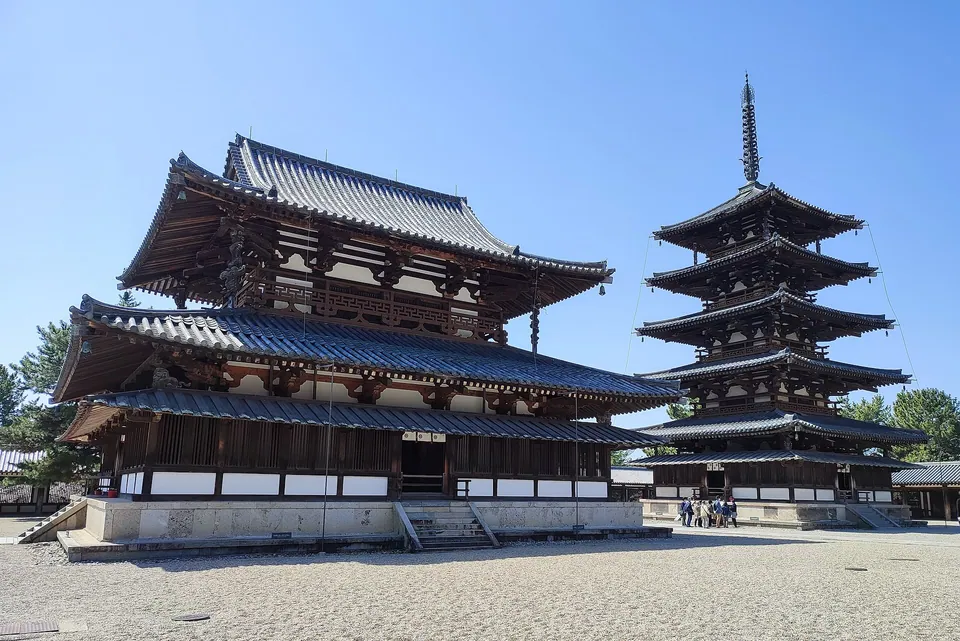
Its Kondō and five-storey pagoda are counted, in the words of the UNESCO listing, among the oldest surviving wooden buildings in the world, dating from the 7th and 8th centuries. In 1993 the temple and its neighbours became the first site in Japan on the World Heritage List.
By tradition Prince Shōtoku and Empress Suiko founded the temple in 607. Its buildings burned after a lightning strike in 670, and the rebuilding was complete by about 711; the Kondō, or main hall, and the five-storey pagoda of the western precinct date from it. Tree-ring dating by the Nara National Research Institute for Cultural Properties found that the pagoda’s central pillar was felled in 594, before the fire, so the timber was probably reused or stored. A fire during repairs in January 1949 destroyed the Kondō’s wall paintings, and the restoration ended in 1954.
What to notice
- The KondōThe main hall rises in two storeys of deep tiled eaves under a hip-and-gable roof.
- The pagodaFive roofs step in towards the top, each smaller than the one below.
- The finialA tall metal finial, the sōrin, crowns the pagoda.
3 min read
The full story
A vow kept in 607
The temple’s account of its own beginning is written in bronze. An inscription on the back of the halo of the Yakushi Buddha in the Kondō, and a temple register of 747, say that Emperor Yōmei vowed to build a temple and a Buddha image in prayer for his recovery from illness, and died before he could. Empress Suiko and Yōmei’s son, Prince Shōtoku, carried out the vow in 607.
In this story
- A vow kept in 607
- Cloud brackets, swelling columns
- Pilgrims, patrons and repairs
- What the fire left

The story continues in the app
- Founded
- 607 by tradition, by Prince Shōtoku and Empress Suiko
- Pagoda
- Five storeys, 32.45 m high
- Kondō
- About 18.5 × 15.2 m
- Central pillar
- Hinoki cypress, felled in 594 by tree-ring dating
- Status
- Real · an active temple; World Heritage since 1993
Connections
- Middle Ages
- Architecture
- Ikaruga, Nara
Nearby in the archive
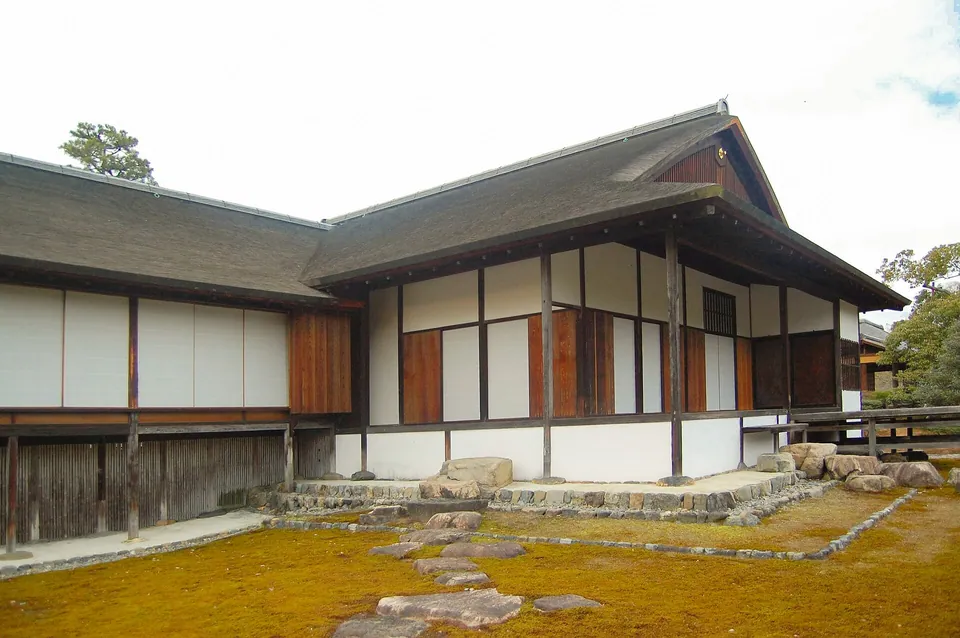 Katsura Imperial VillaPrince Toshihito · early 17th century · Japanese timber building, a thousand years later
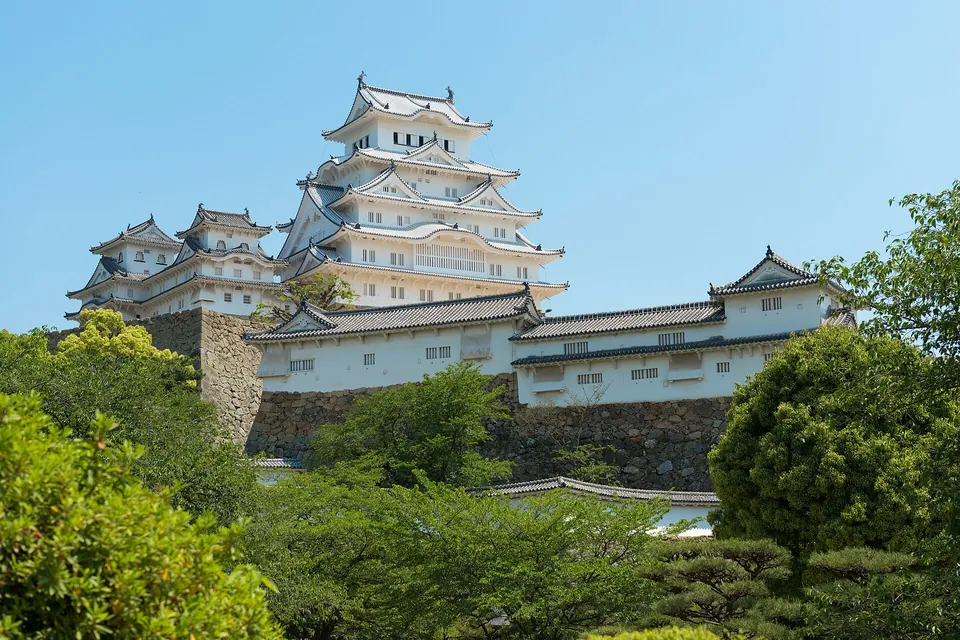 Himeji CastleIkeda Terumasa · 1609 · another timber tower of stacked roofs
In collections
Go further
- The Building of Horyu-ji: The Technique and Wood That Made It Possible, Tsunekazu Nishioka and Jiro Kohara (2016)A master temple carpenter who worked on the 20th-century restoration and a wood scientist explain how the timber was chosen, cut and joined.
- Asuka Buddhist Art: Horyu-ji, Seiichi Mizuno (1974)A survey of the temple’s buildings, sculpture and painting in the Heibonsha Survey of Japanese Art series.
- Buddhist Monuments in the Horyu-ji Area, UNESCO World Heritage CentreThe World Heritage record, with the statement of value and an account of how the buildings are conserved and protected.
- Horyuji Temple: Introduction, Hōryū-jiThe temple’s own short history and its pages on each hall, the pagoda and the sculpture they hold.
- The Gallery of Horyuji Treasures, Tokyo National MuseumThe museum’s guide to the gallery that shows the objects the temple gave to the Imperial Household in 1878.
Sources
- Dendrochronology about the central pillar of the five-storied pagoda at Horyuji Temple, Nara National Research Institute for Cultural Properties
- Trends in Japan: Hōryū-ji (tj010330), Web Japan, Ministry of Foreign Affairs of Japan
- Wikipedia (English), Wikimedia Foundation
- Wikimedia Commons

