Cultifact / Collections / Buildings that became symbols
Buildings that became symbols
Buildings that came to stand for a place, or for an idea.
Temples, a castle, two tombs, an iron tower, houses, office towers, museums, an opera house of shells, a stadium built for the 2008 Olympic Games and a cultural centre whose plaza rises into its walls. Each is now known far beyond the people who use it, and many stand for a city or a country.
1113 → 2012 · 23 works
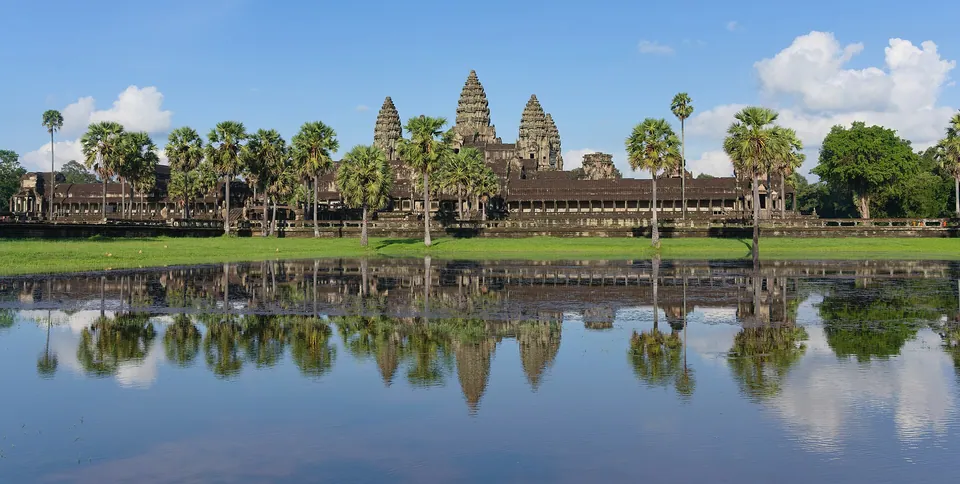 Angkor WatArchitect unknown · 12th century, under Suryavarman II (1113 to 1150)
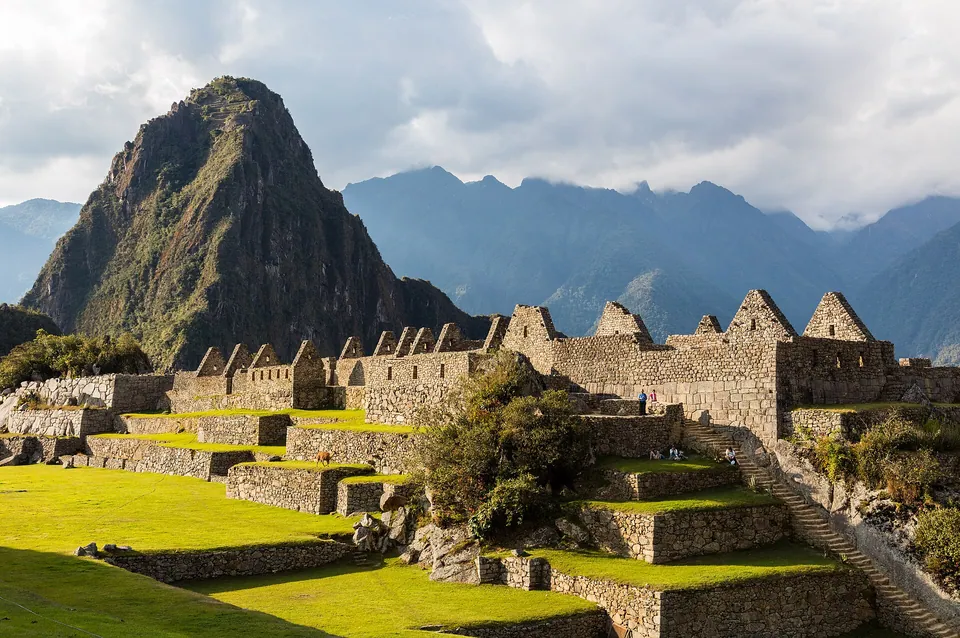 Machu PicchuInca builders · c. 1420 to 1450
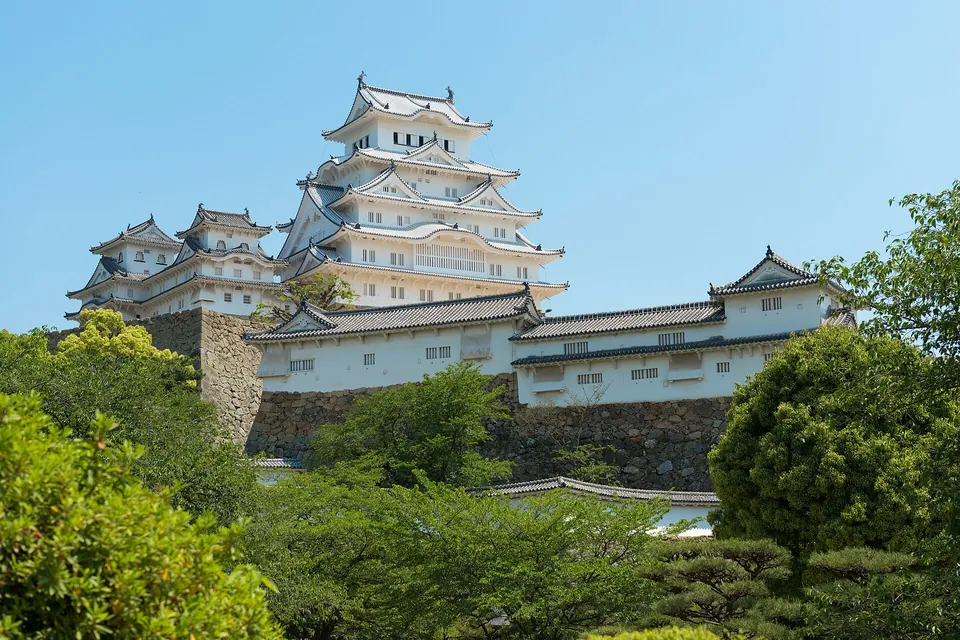 Himeji CastleIkeda Terumasa · 1601 to 1609
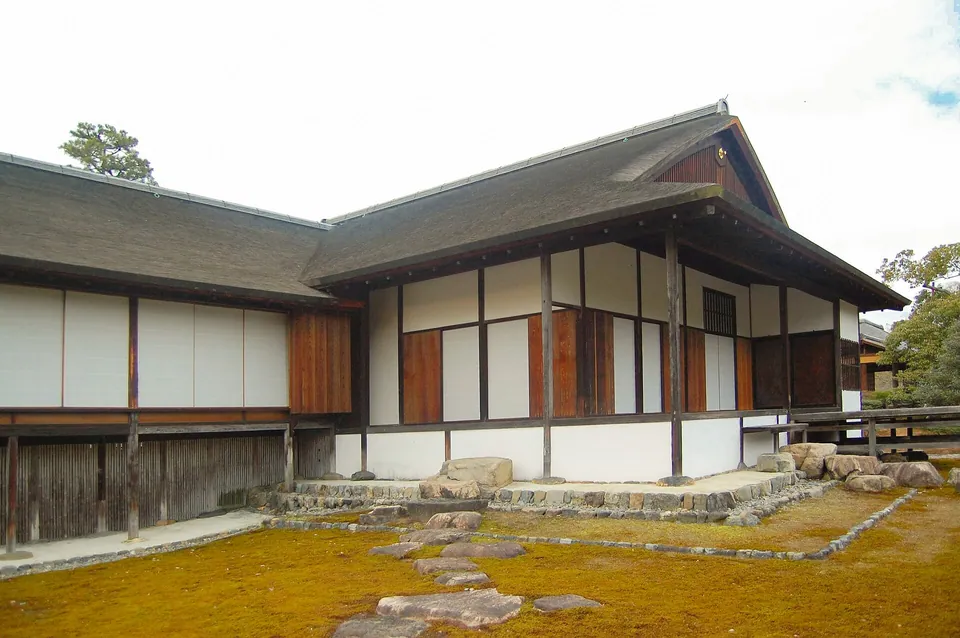 Katsura Imperial VillaPrince Hachijo Toshihito and Prince Toshitada · Early to mid 17th century
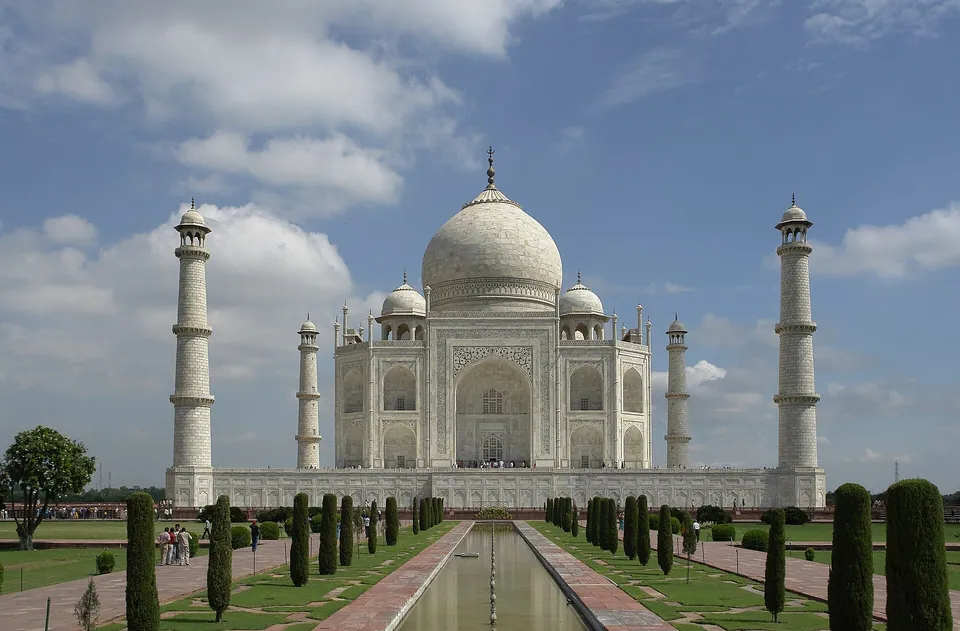 Taj MahalUstad Ahmad Lahori, traditionally credited · 1632 to 1653
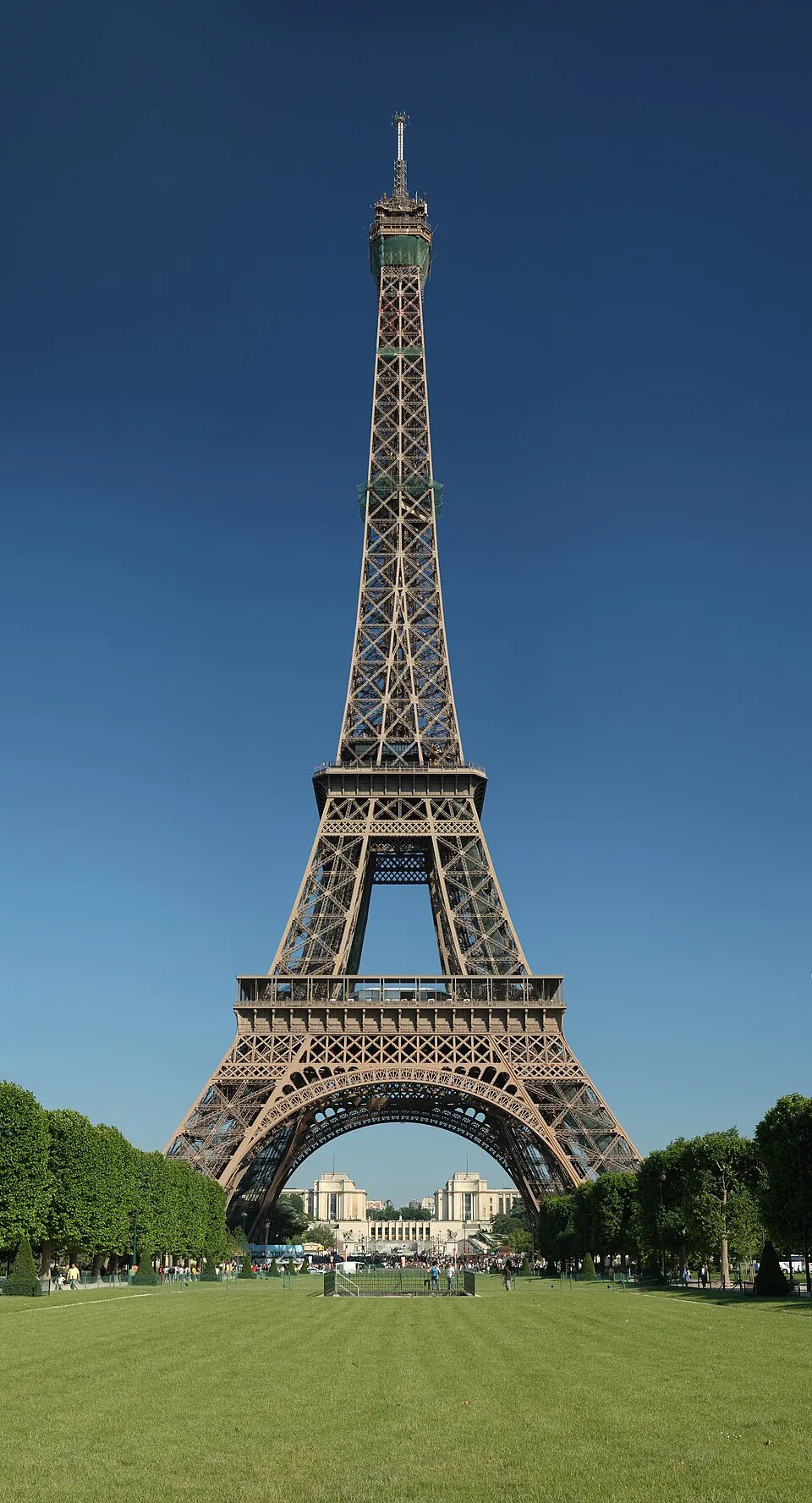 Eiffel TowerKoechlin, Nouguier, Sauvestre, Eiffel · 1889
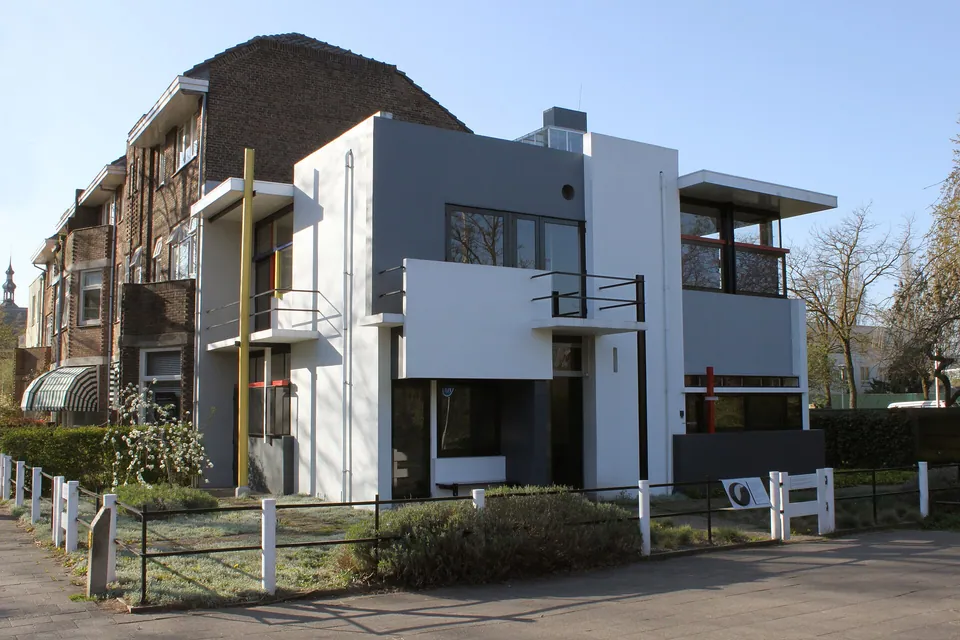 Rietveld Schröder HouseGerrit Rietveld, Truus Schröder · 1924
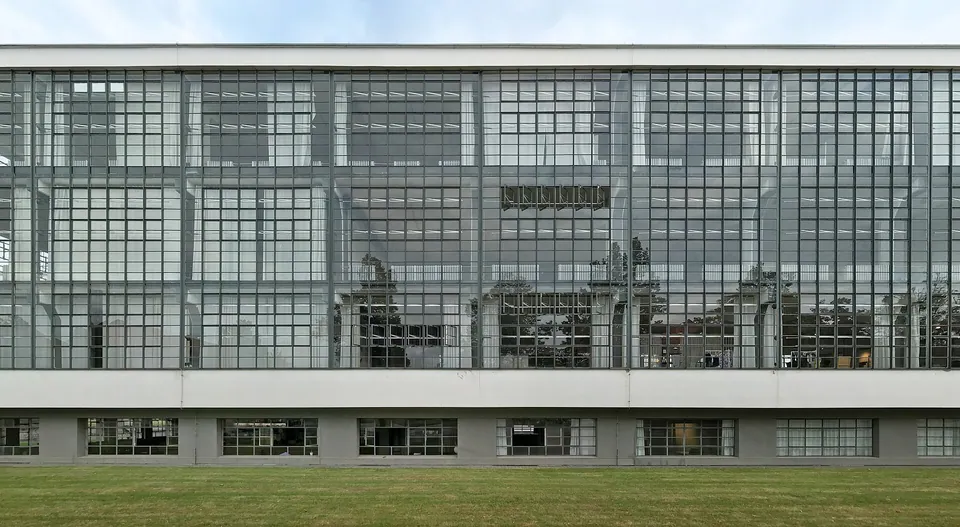 Bauhaus Building, DessauWalter Gropius · 1926
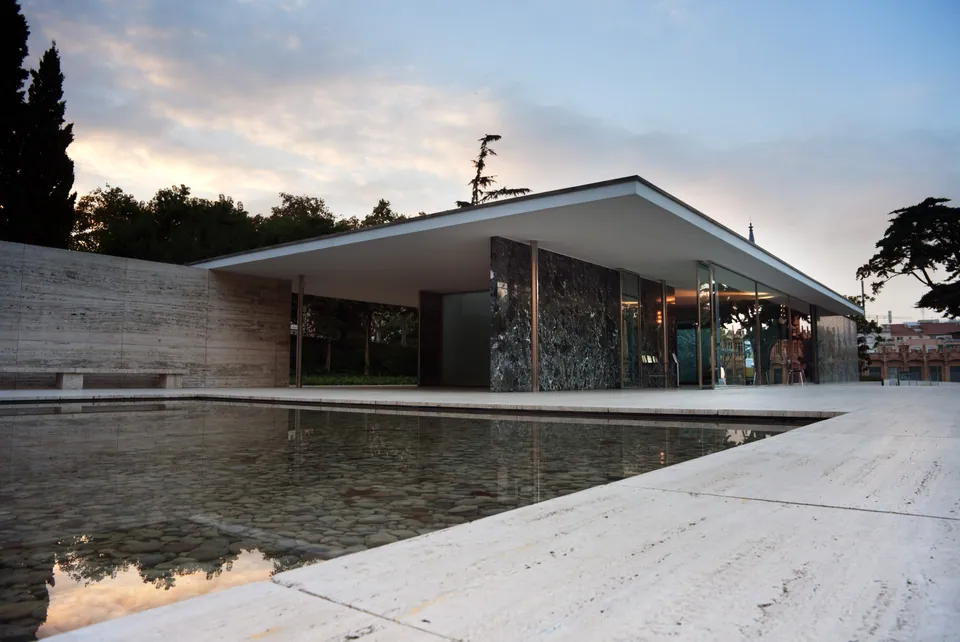 Barcelona PavilionMies van der Rohe, Reich · 1929
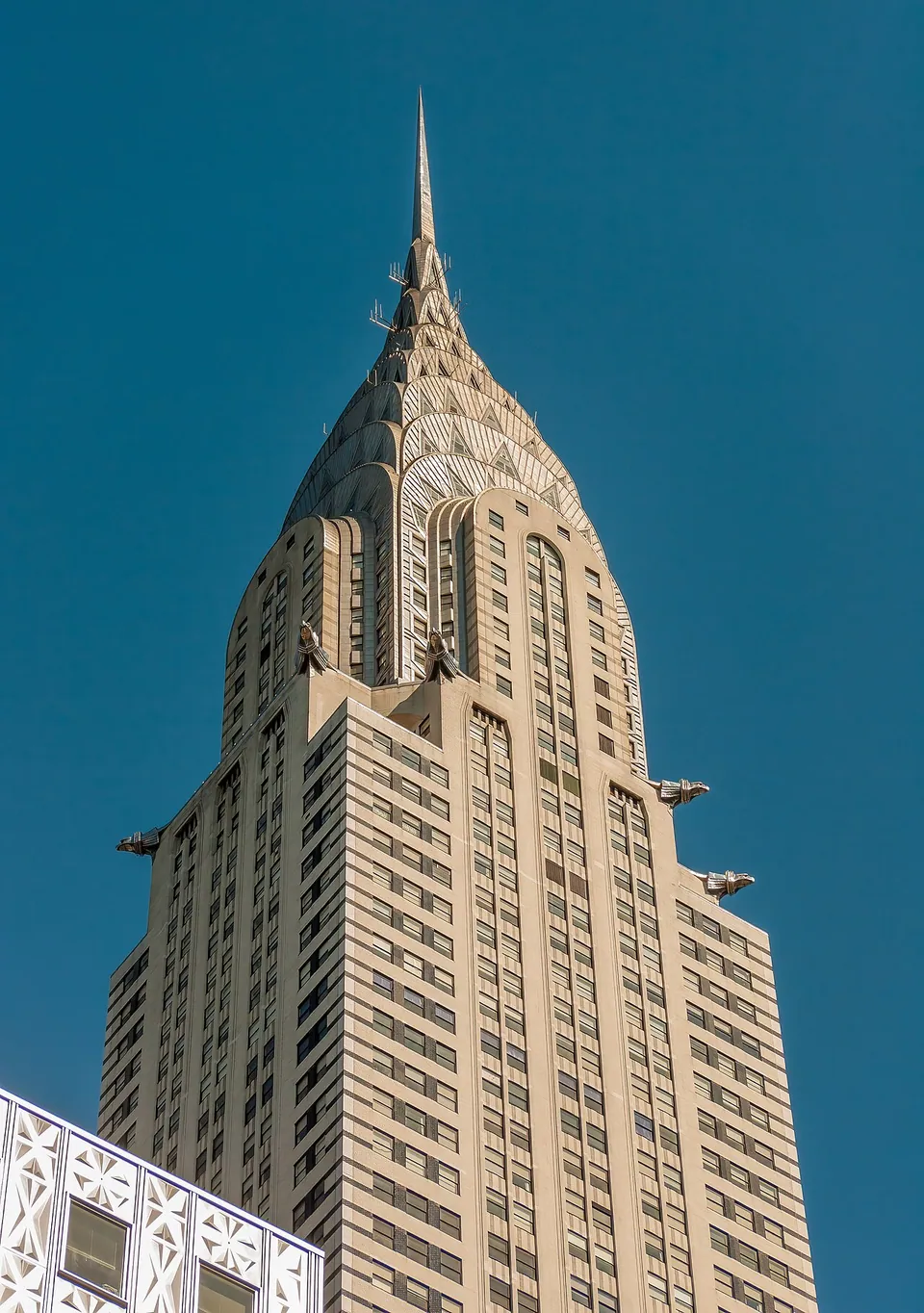 Chrysler BuildingWilliam Van Alen · 1930
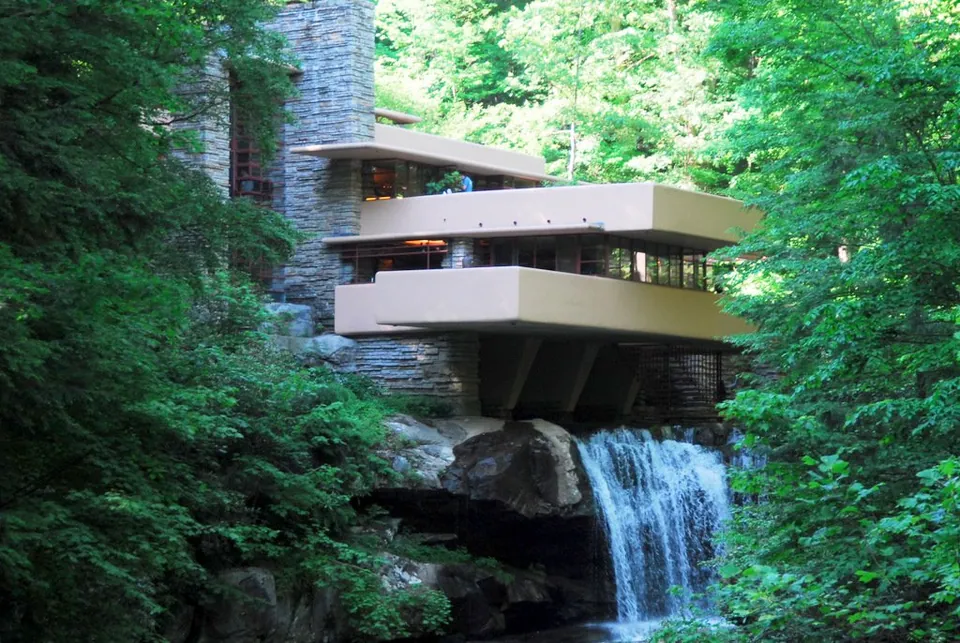 FallingwaterFrank Lloyd Wright · 1935 to 1937
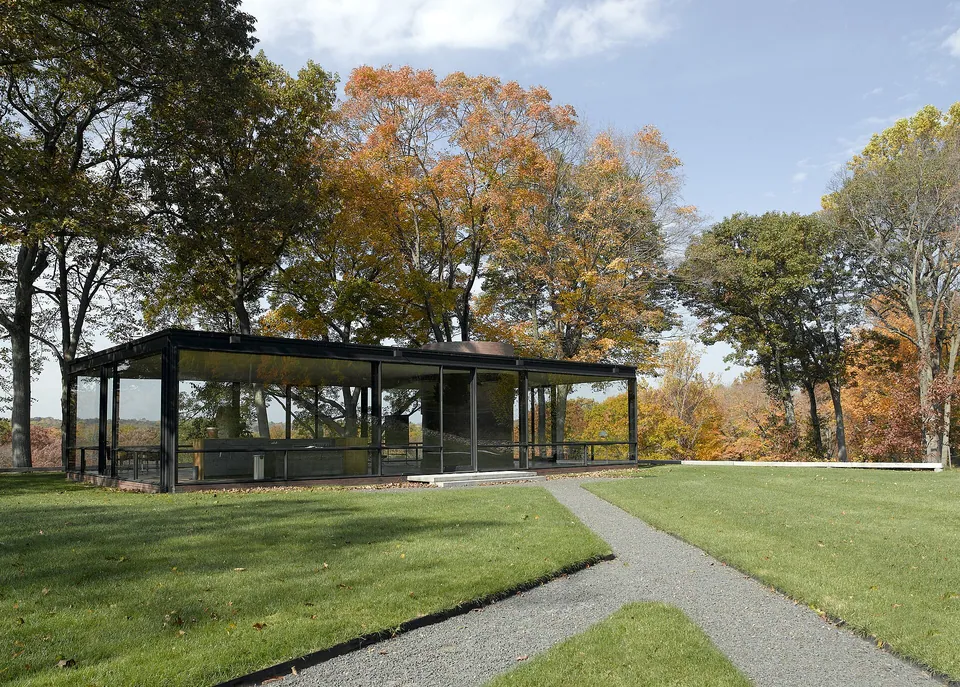 The Glass HousePhilip Johnson · 1949
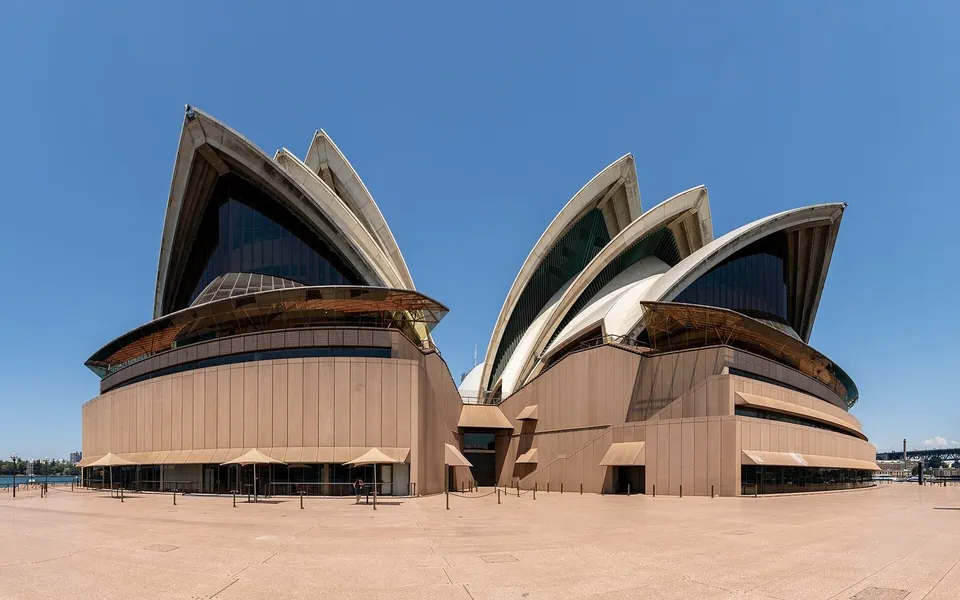 Sydney Opera HouseJørn Utzon · 1957
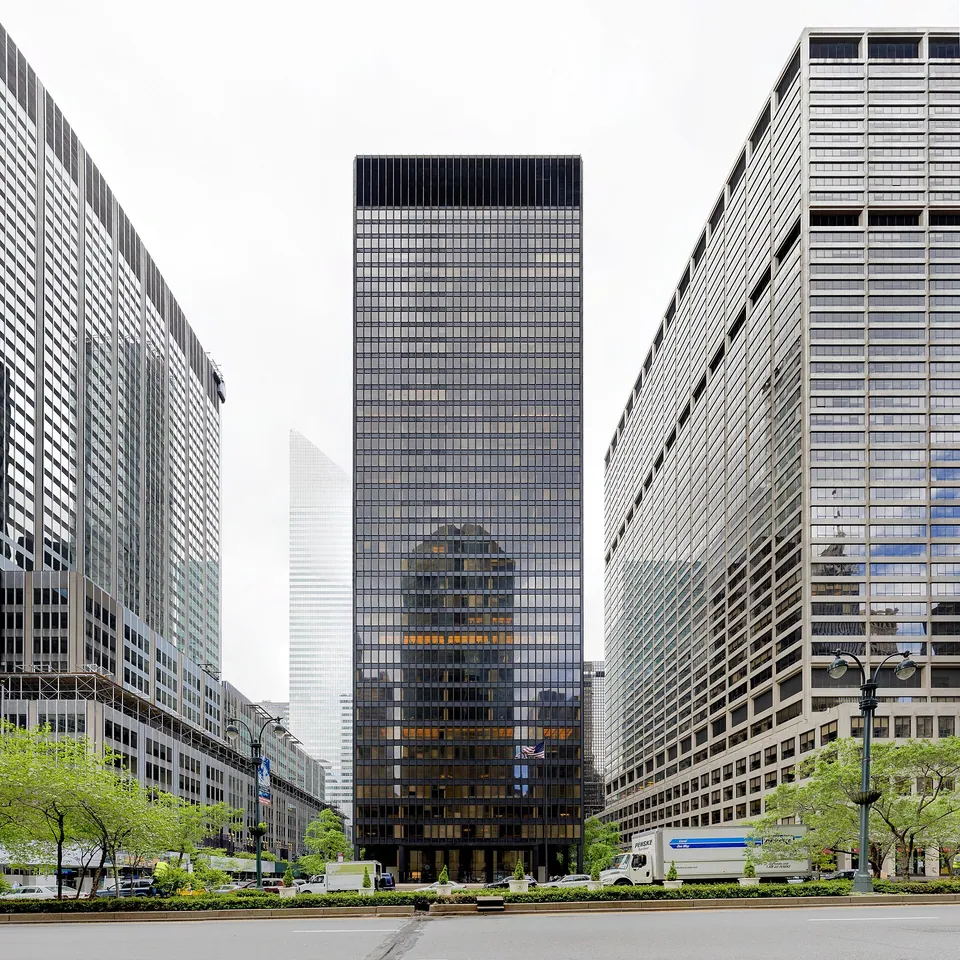 Seagram BuildingMies van der Rohe, Philip Johnson · 1958
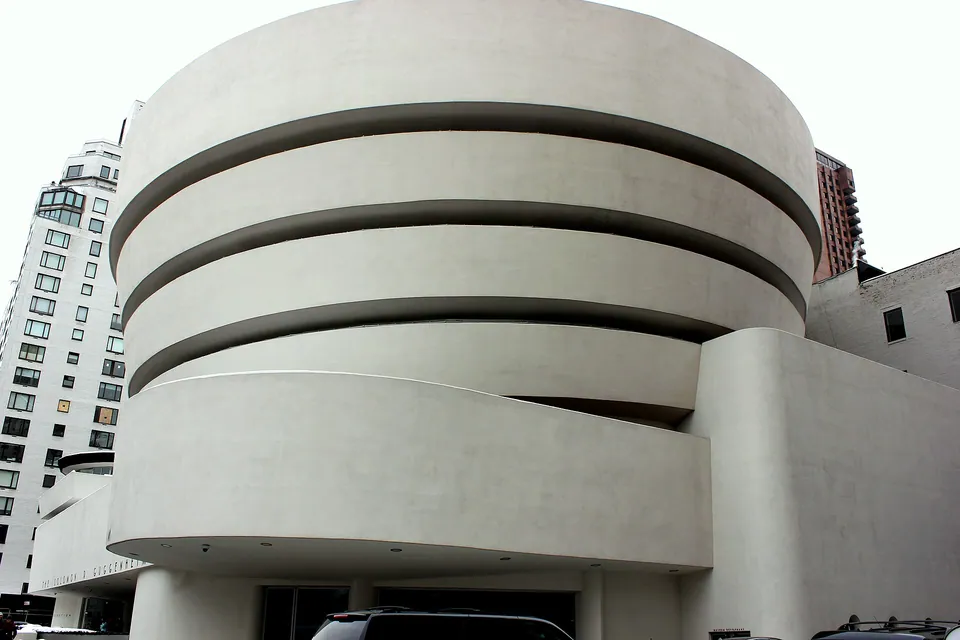 Solomon R. Guggenheim MuseumFrank Lloyd Wright · 1959
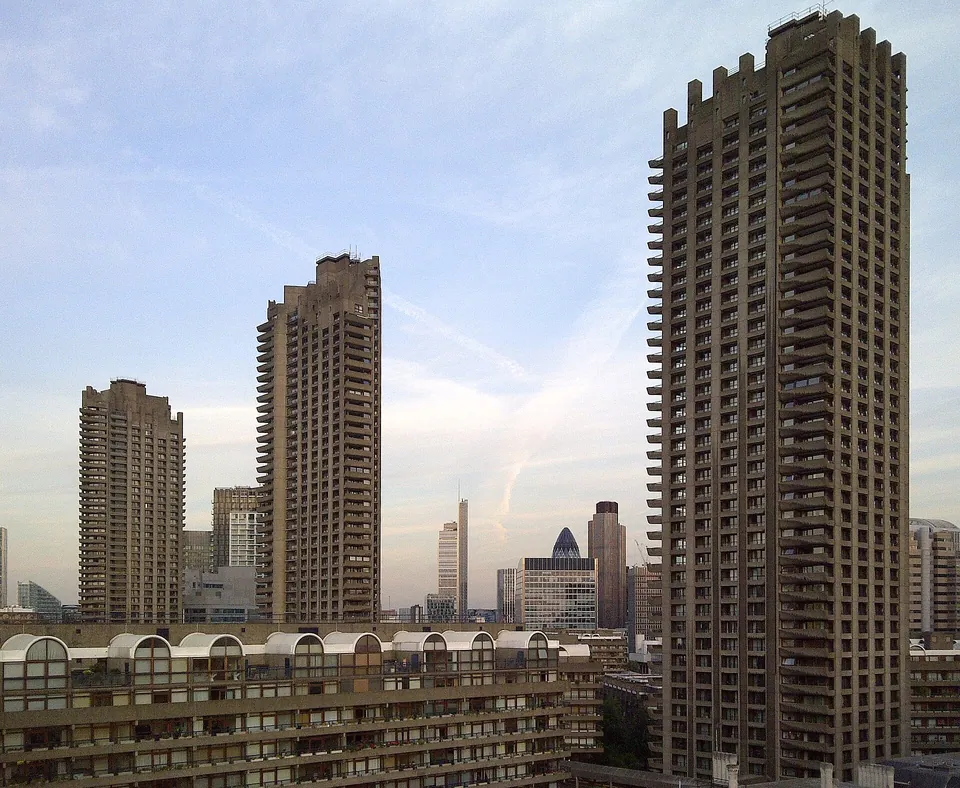 Barbican EstateChamberlin, Powell and Bon · 1962 to 1982
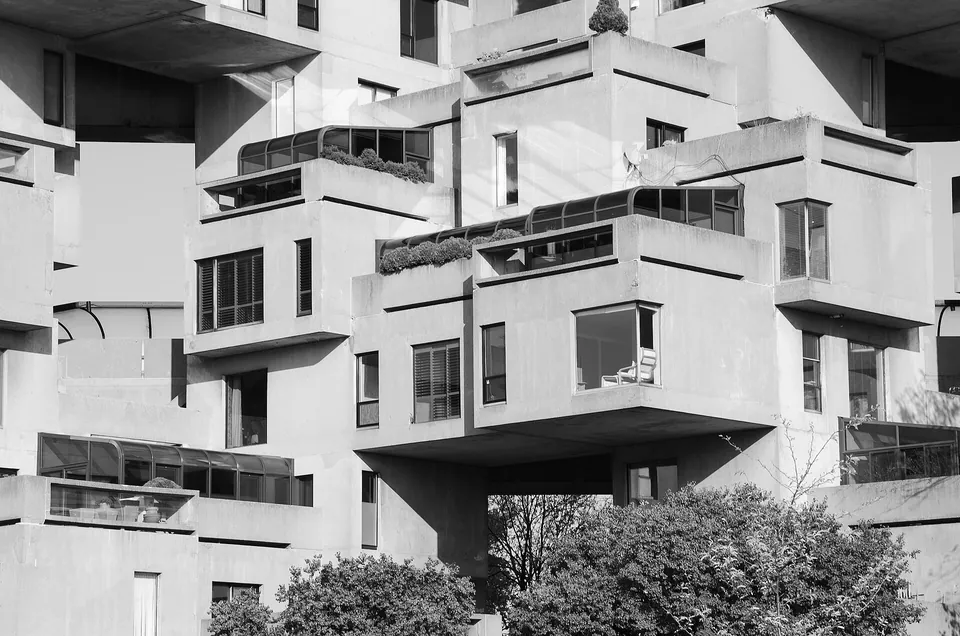 Habitat 67Moshe Safdie · 1967
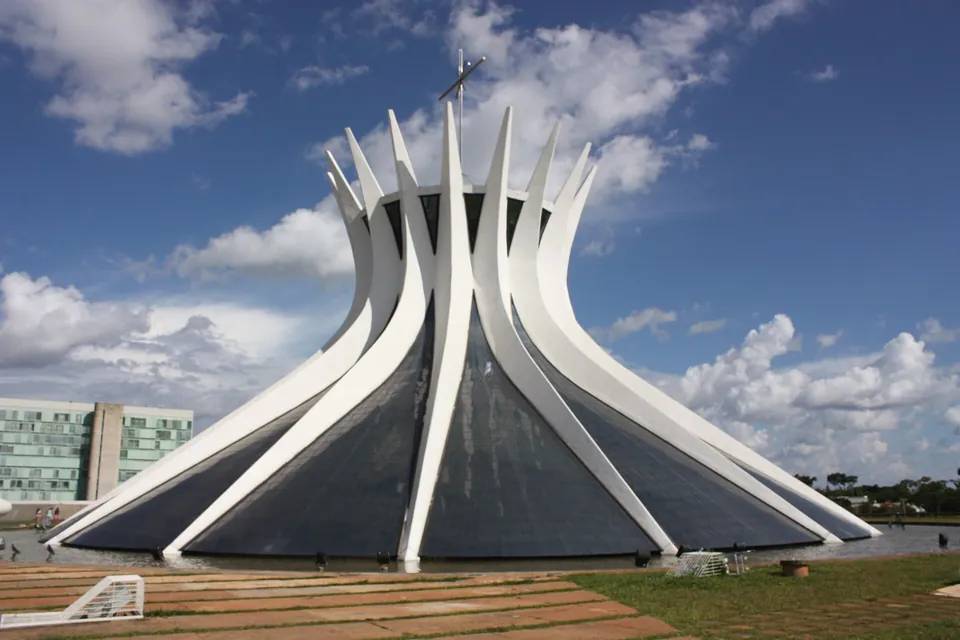 Cathedral of BrasíliaOscar Niemeyer · 1970
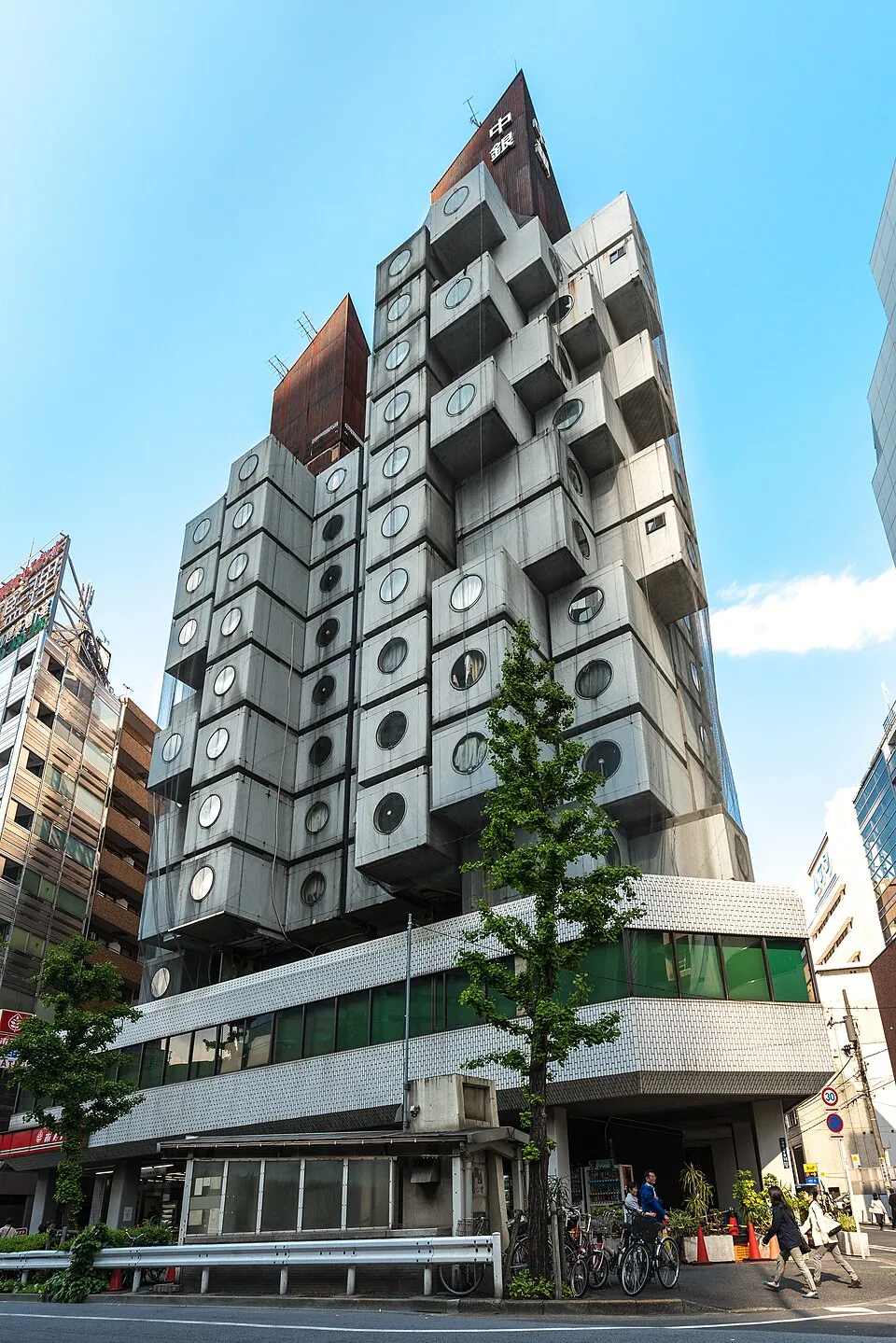 Nakagin Capsule TowerKisho Kurokawa · 1972
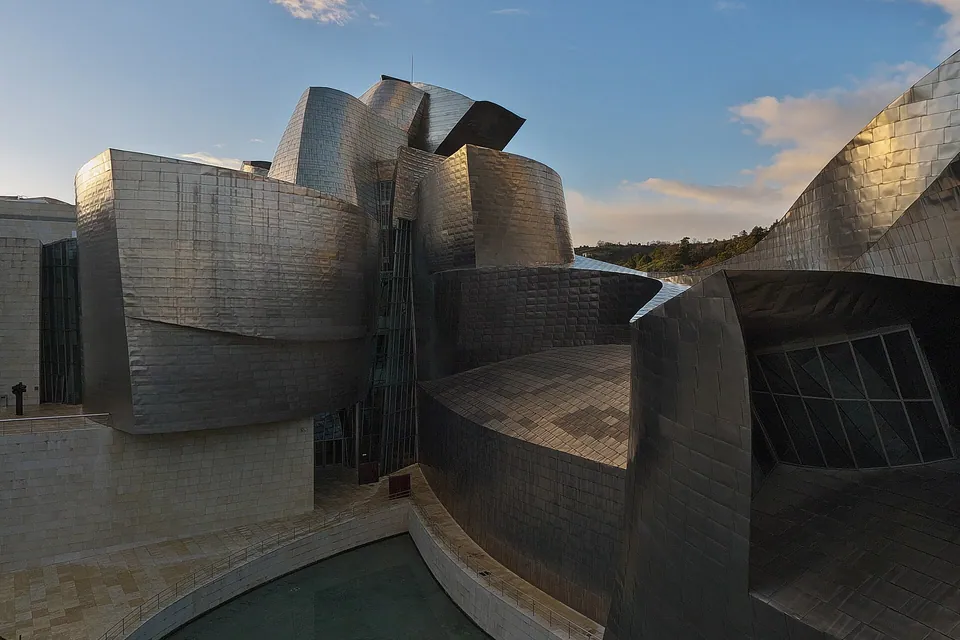 Guggenheim Museum BilbaoFrank Gehry · 1997
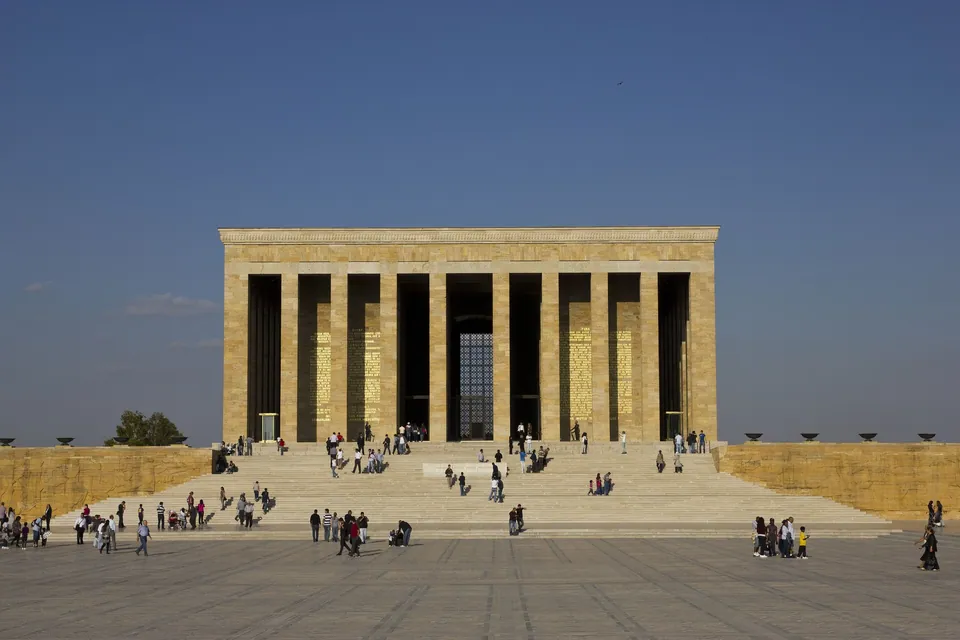 AnıtkabirEmin Onat and Orhan Arda · 1944–1953
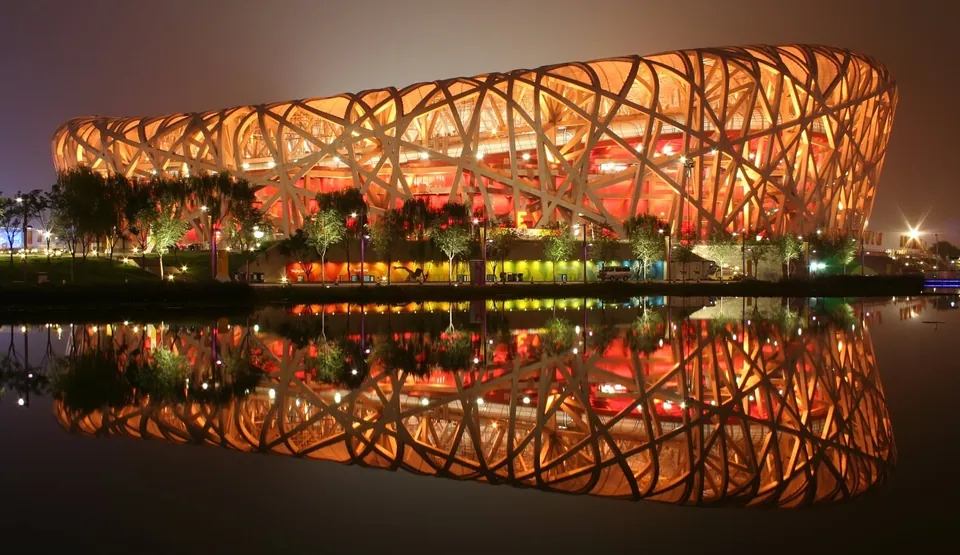 Beijing National StadiumHerzog & de Meuron with Arup and CADG · 2003–2008
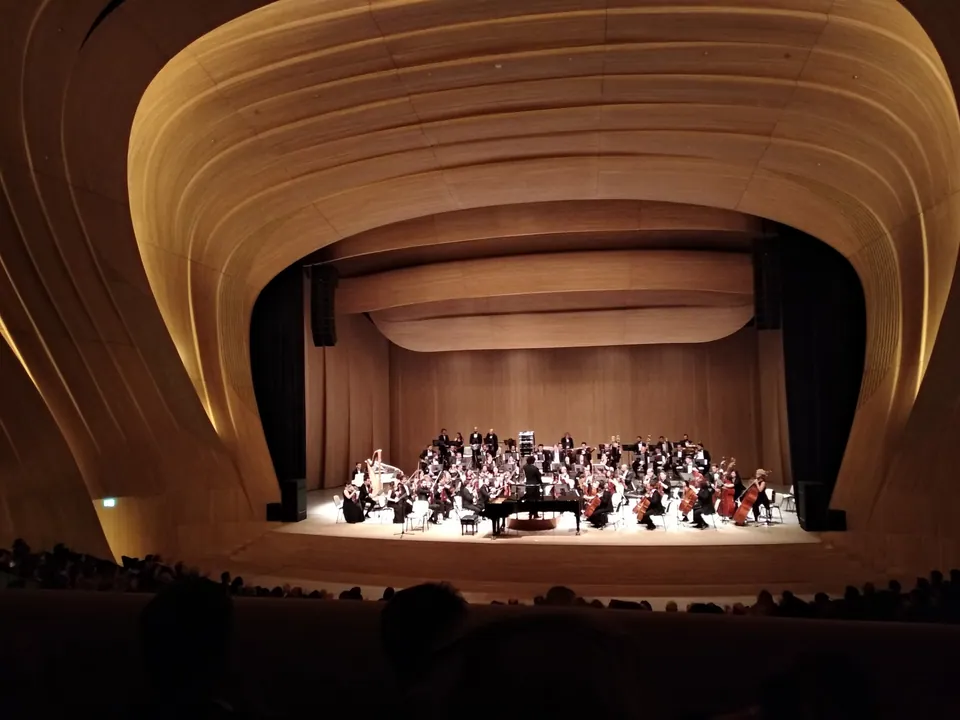 Heydar Aliyev CenterZaha Hadid Architects · 2007–2012
Read it in Cultifact
The app has the full story, details you can zoom into, and how this work connects to others. Free to browse, in ten languages.

Free to browse on iPhone. No account needed, no ads.

